
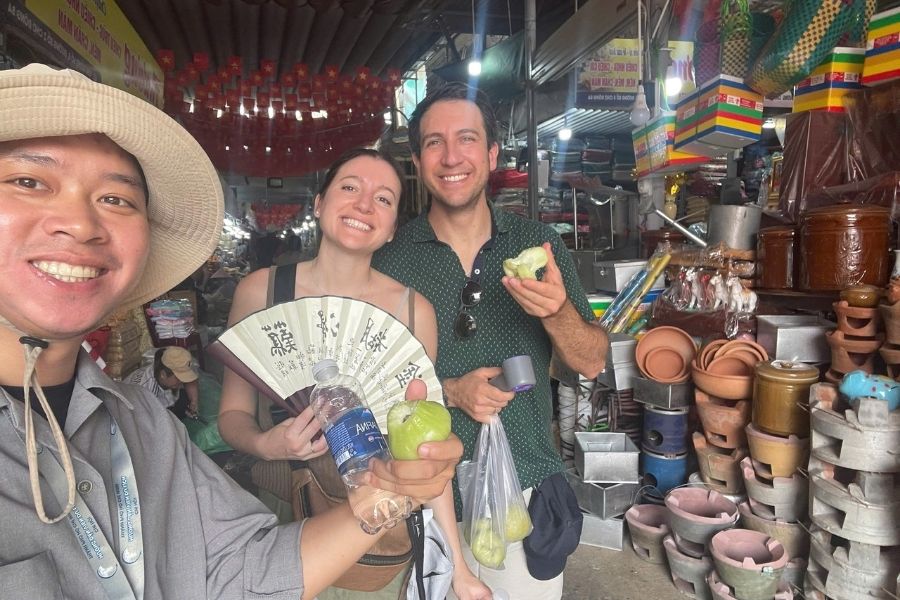
Vietnam is famous for its breathtaking landscapes, historic landmarks, and vibrant cities. To discover the soul of Vietnam, travelers need to look beyond the familiar sightseeing routes. The country’s cultural identity also lives in family kitchens, neighborhood markets, traditional workshops, village festivals, and the simple routines of everyday life.
These experiences offer a closer look at how Vietnamese people preserve their heritage while adapting to a changing world. Here are some rewarding ways to discover authentic Vietnam beyond its best-known attractions (selected by Vietnam Shore Excursions).
1. Experience Everyday Life at Local Markets
Local markets provide a fascinating introduction to Vietnamese daily life. The atmosphere is lively and informal, offering a glimpse into the routines that shape local communities.
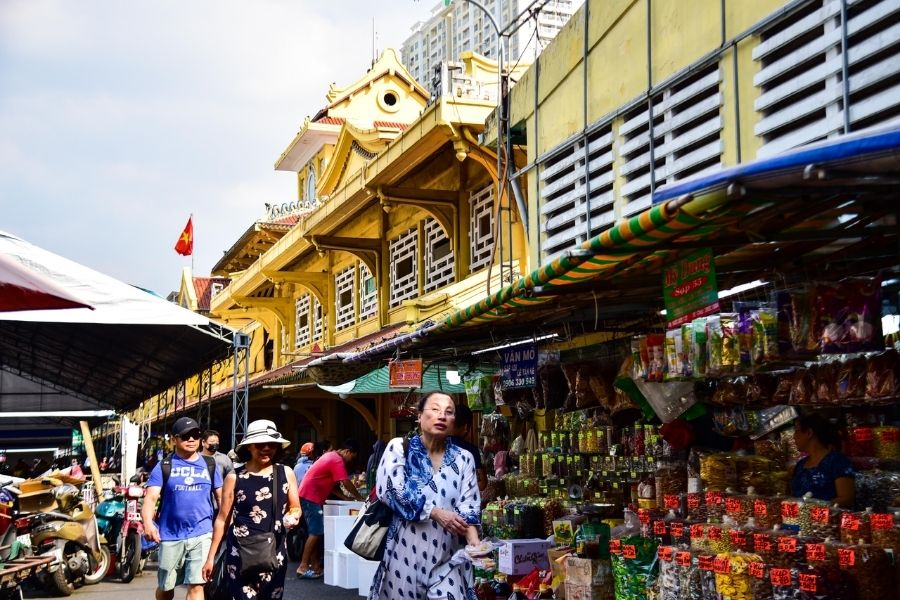
Each region has its own market culture:
- In Hanoi, traditional neighborhood markets are filled with seasonal vegetables, fresh herbs, seafood, and familiar breakfast dishes.
- In the Mekong Delta, riverside trading communities reflect the importance of waterways in agriculture, transport, and commerce.
- Mountain markets in northern Vietnam can also bring together ethnic communities, local farmers, and craftspeople.
Visiting in the early morning often provides the most vivid atmosphere. Travelers of a Vietnam tour package should ask permission before photographing people and respect vendors who prefer not to be photographed.
2. Discover Traditional Craft Villages and Handmade Artistry
Vietnam’s traditional craft villages offer a different perspective on the country’s cultural heritage. Many have preserved specialized skills through generations of family workshops, making them important centers of both local livelihoods and cultural knowledge.
Several destinations are particularly worth considering:
Bat Trang Pottery Village, Hanoi
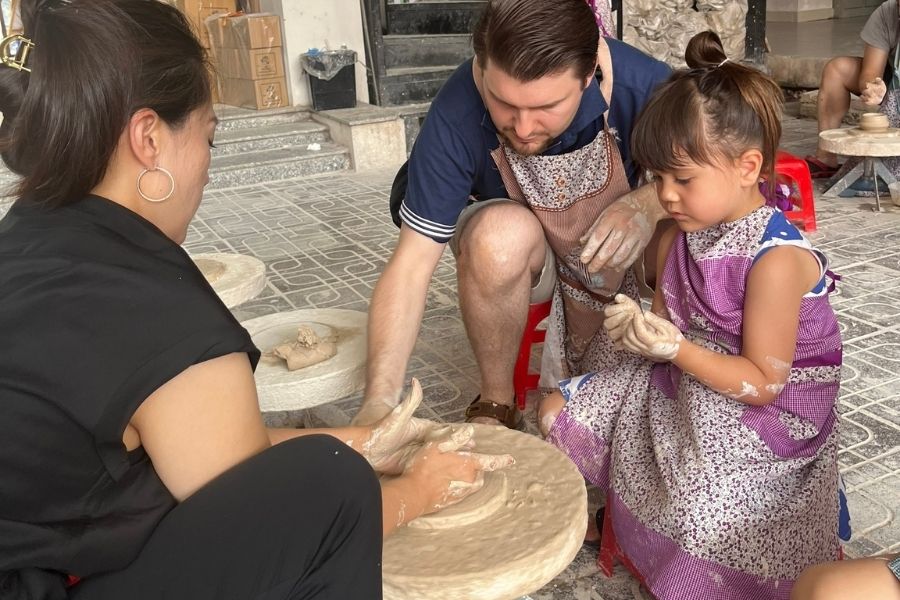
Located near Hanoi, Bat Trang is well known for its long-standing ceramic tradition. Visitors can explore pottery workshops, observe artisans shaping and decorating clay, and sometimes try making their own ceramic pieces under professional guidance.
Van Phuc Silk Village, Hanoi
Van Phuc is associated with traditional silk weaving. A visit can introduce travelers to the production process, the textures of woven fabrics, and the craftsmanship involved in creating silk products.
Dong Trieu Pottery Village, Quang Ninh
For travelers visiting northern Vietnam, Dong Trieu offers an opportunity to explore another ceramic tradition. Workshops can reveal how artisans prepare clay, shape vessels, apply glazes, and use kiln techniques to produce distinctive finishes.
3. Explore Vietnamese Cuisine Through Local Food Experiences
Vietnamese cuisine reflects the country’s geography, agricultural traditions, regional identities, and family culture. A meal can reveal a great deal about local life, especially when travelers venture beyond restaurants designed primarily for visitors.
Join a Local Cooking Class
A cooking class provides insight into the preparation techniques and cultural knowledge behind Vietnamese food. Many experiences include a market visit, ingredient selection, and practical instruction from a local cook.
Travelers might learn to prepare fresh spring rolls, make a traditional dipping sauce, or balance herbs and seasonings in a regional dish. The experience also explains why seemingly simple recipes depend on ingredient freshness and careful preparation.
Try Regional Street Food
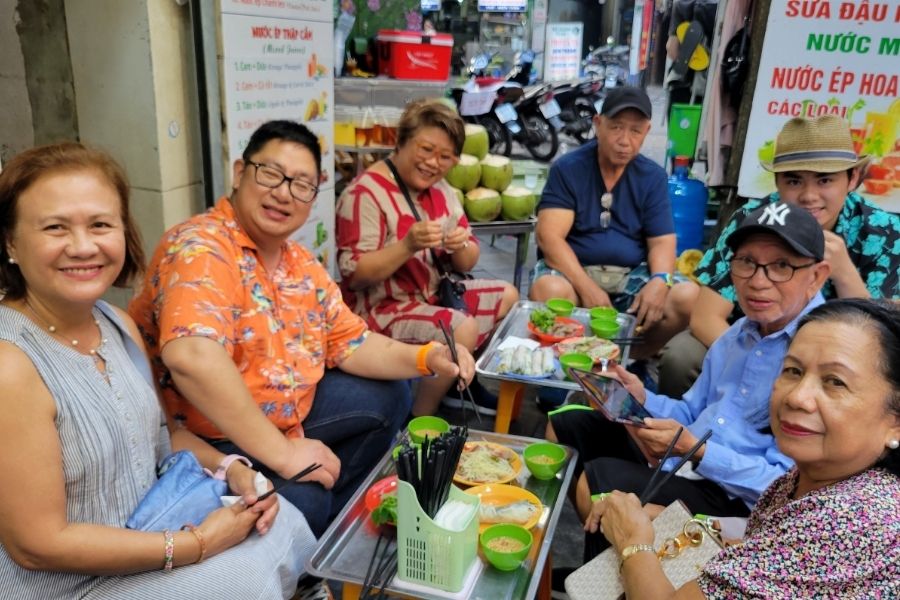
Street food is closely connected to daily routines in Vietnam. Small stalls and family-run eateries serve quick breakfasts, lunches, and evening meals, often specializing in just a few dishes.
Instead of ordering familiar dishes at every destination, ask local hosts or guides which specialties are associated with the area. This approach introduces travelers to flavors they might otherwise overlook.
Share a Meal With a Local Family
A home-cooked meal can offer a more personal understanding of Vietnamese hospitality. Rice, vegetables, soup, and shared dishes often form the basis of a family meal, although menus differ between households and regions.
Guests can learn about dining customs, family traditions, and the stories behind particular recipes. The value of the experience lies in the exchange itself, not in expecting every household to follow the same traditions.
4. Visit Rural Villages and Understand Local Livelihoods
Vietnam’s countryside reveals another dimension of the country’s identity. Beyond major cities and famous heritage sites, rural communities continue to depend on agriculture, fishing, handicrafts, and small family businesses.
Cycle Through the Countryside Around Hoi An
The rural areas surrounding Hoi An feature rice fields, vegetable gardens, waterways, and small settlements. A bicycle ride through these landscapes offers a quieter perspective on central Vietnamese life.
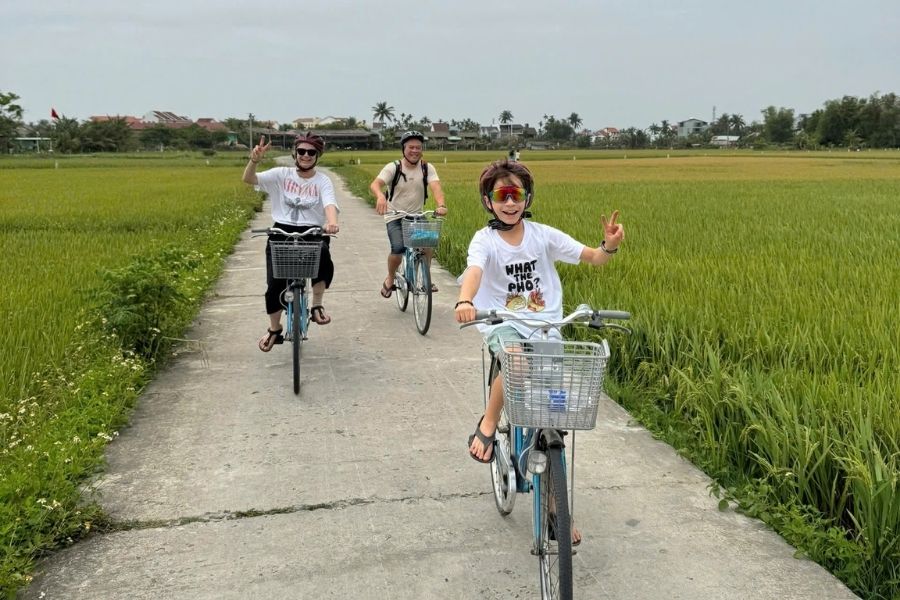
Visitors may encounter farmers tending their crops, fishermen working near the water, or families maintaining traditional homes. Tra Que Vegetable Village is another option for learning about local cultivation practices and the role of fresh herbs in regional cuisine.
Discover Rural Life in the Mekong Delta
The Mekong Delta is shaped by an extensive network of rivers, canals, orchards, and agricultural land. Local experiences can include visiting fruit gardens, learning about regional produce, observing small-scale food production, or exploring waterways with a knowledgeable local guide.
Travelers can also gain a better understanding of how seasonal conditions influence farming, transportation, and daily routines. These details make the region more than a scenic destination.
Learn From Local Communities in Northern Vietnam
Northern Vietnam’s mountainous areas are home to diverse ethnic communities with distinct languages, customs, clothing, architecture, and cultural traditions. Community-based visits and locally hosted homestays can introduce travelers to these differences in a respectful setting.
It is important to remember that these communities are living societies, not attractions created for visitors. Choose experiences that welcome guests, respect privacy, and allow local people to explain their own traditions.
5. Experience Vietnamese Traditions, Festivals, and Performing Arts
Vietnamese cultural traditions remain visible in family celebrations, religious practices, community festivals, and traditional performing arts. Participating in an appropriate cultural activity can help travelers understand the values and historical influences that continue to shape Vietnamese society.
Learn About Tet and Family Traditions
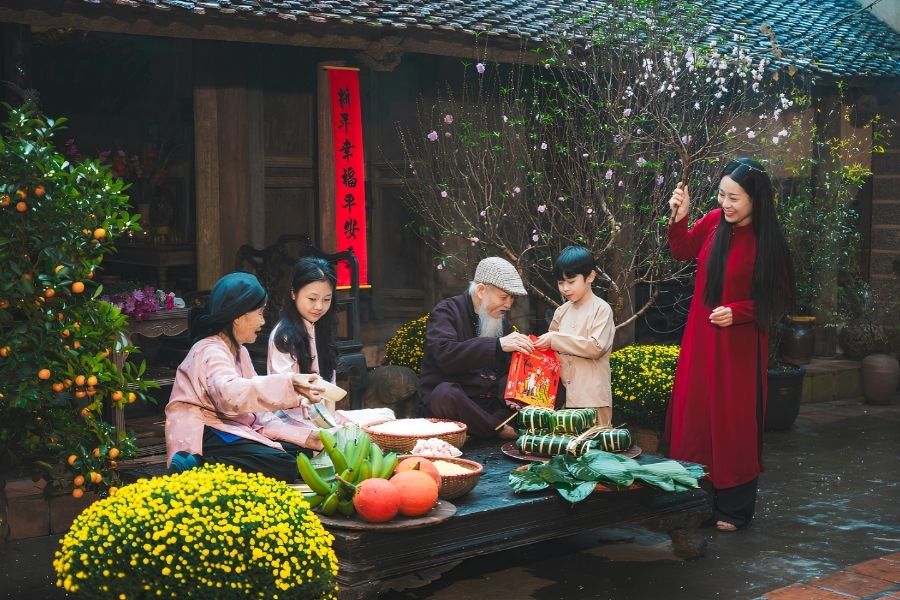
Tet, the Vietnamese Lunar New Year, is the country’s most significant annual celebration. Preparations often include cleaning the home, decorating with seasonal flowers, preparing special foods, visiting relatives, and honoring ancestors.
Travelers visiting during this period may encounter festive decorations and community celebrations. However, many businesses adjust their opening hours, and some activities are reserved for family or religious observance. Planning ahead is essential.
Watch a Traditional Water Puppet Performance
Water puppetry is a distinctive Vietnamese performing art with roots in the country’s northern delta communities. Performances combine wooden puppets, music, storytelling, and water-based stages to bring folk tales and rural scenes to life.
Watching a performance provides an accessible introduction to Vietnamese folklore and traditional entertainment. Travelers can appreciate the artistry while learning how farming, village life, and familiar cultural stories influence the performances.
Explore Traditional Music and Community Celebrations
Traditional music and dance vary across Vietnam’s regions and communities. Travelers may encounter folk performances, local festivals, or cultural demonstrations during their visit.
Whenever possible, choose activities that explain the meaning behind the performance rather than presenting it without context. Sacred ceremonies and private religious events should always be approached with care, and visitors should follow local guidance about participation and photography.
6. Slow Down and Discover Vietnam Through Everyday Connections
Some of the most memorable travel experiences require little planning. Sitting at a neighborhood café, chatting with a local guide, visiting a small family business, or watching daily life unfold along a village lane can reveal details that are easy to miss on a tightly scheduled tour.
Vietnamese coffee culture is a good example. A visit to a traditional café offers a chance to experience the unhurried ritual of enjoying a drink while observing the surrounding neighborhood. Travelers can try phin-filtered coffee, explore regional variations, and learn about the role cafés play in local social life.
7. Choose Responsible Experiences That Benefit Local Communities
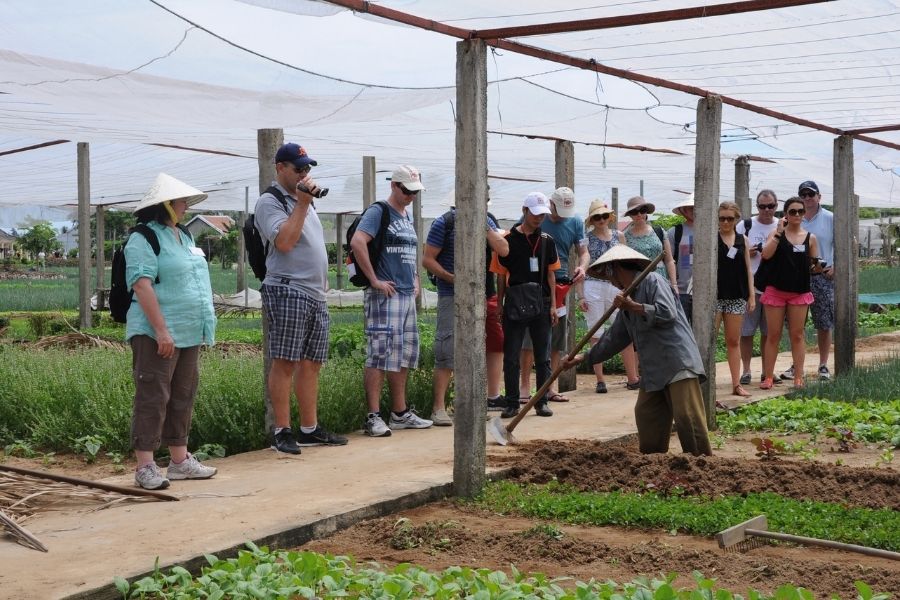
A meaningful cultural journey should create value for the people who welcome visitors. Responsible travel choices help protect cultural traditions, support local livelihoods, and reduce the risk of turning community life into a staged performance.
Before booking an activity, consider the following:
- Choose local expertise: Look for guides who understand the area’s history, customs, and community context.
- Support local businesses: Eat at locally run establishments and purchase authentic products directly from artisans when possible.
- Respect cultural boundaries: Ask before taking photographs, entering private spaces, or participating in ceremonies.
- Avoid intrusive experiences: Be cautious of activities that encourage disrespectful behavior or treat residents as photographic subjects.
- Allow enough time: Smaller groups and less rushed itineraries generally create better opportunities for meaningful interaction.
For visitors planning a trip to Vietnam, the best approach is to combine iconic landmarks with experiences that encourage genuine cultural understanding. Take time to explore local communities, learn from knowledgeable guides, and support businesses that contribute to the places you visit.
