
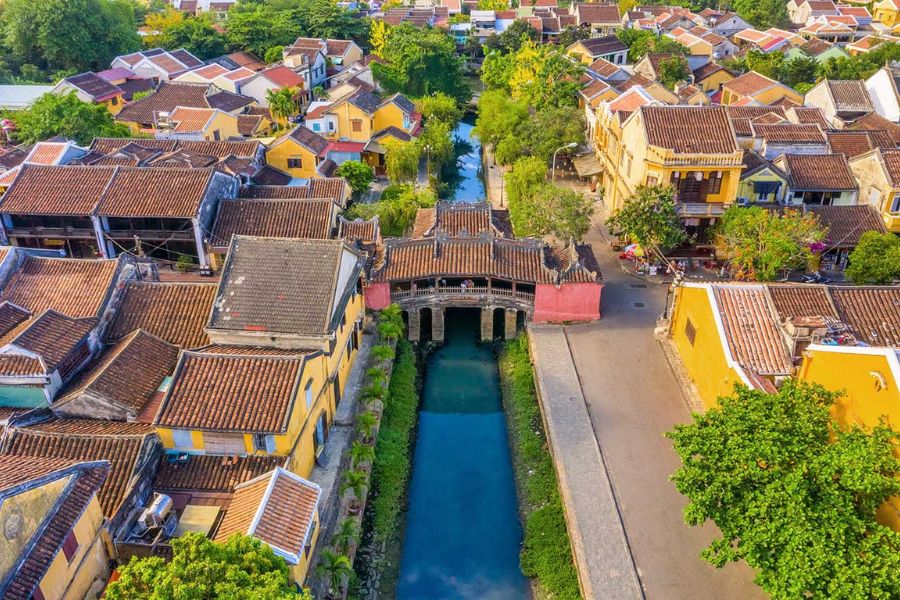
Asia’s coastline is home to some of the world’s most fascinating port cities, many of which played a vital role in connecting cultures, facilitating trade, and shaping regional history for centuries. Today, these destinations continue to attract travelers with their well-preserved waterfronts, historic architecture, and rich multicultural heritage.
Why Visit Historic Port Cities in Asia?
Many of the most memorable historic port cities in Asia combine centuries-old heritage with vibrant modern culture. Ancient warehouses stand alongside contemporary waterfront developments, while local cuisines reflect generations of international influence.
This blend of history and modern life is especially appealing to cruise travelers. Many of whom discover these unique destinations through carefully planned Japan shore excursions and other port-based experiences across the region.
Common highlights include:
- Preserved historic districts
- Colonial and traditional architecture
- Maritime museums and waterfront attractions
- Diverse culinary scenes
- UNESCO World Heritage landmarks
- Rich cultural heritage shaped by global trade
Famous Historic Port Cities to Visit
Hoi An, Vietnam
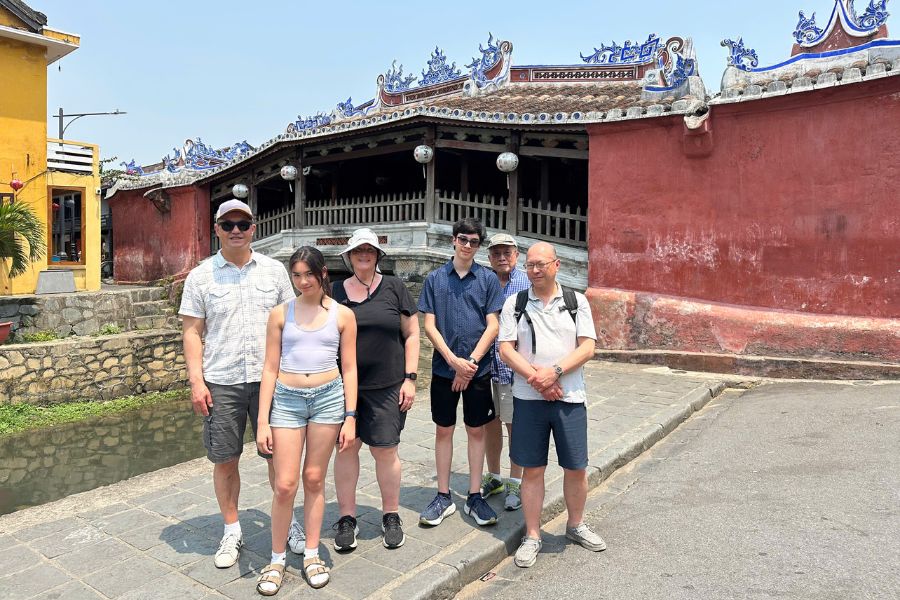
Among the most famous ancient trading ports in Asia, Hoi An flourished between the 15th and 19th centuries as an international commercial center. Merchants from Japan, China, and Europe once gathered here to exchange goods and ideas.
The town’s remarkably preserved architecture creates an atmosphere that feels frozen in time. Lantern-lit streets, historic merchant houses, and riverside cafés make Hoi An one of Vietnam’s most charming destinations.
For travelers seeking a deeper cultural experience, Hoi An is often included in a Vietnam local tour package that showcases the country’s heritage, cuisine, and traditional way of life.
Highlights:
- Japanese Covered Bridge
- Ancient Town
- Traditional assembly halls
- Monthly Lantern Festival
Kobe, Japan
Kobe became one of Japan’s most important international ports after opening to foreign trade in 1868. The city still retains traces of its global past, particularly in the Kitano district, where former residences of foreign merchants overlook the harbor.
Visitors can explore Kobe Port Tower, Meriken Park, and the historic Foreign Settlement area before enjoying the city’s renowned dining scene. Kobe’s unique blend of Japanese culture and international influences makes it one of the most attractive historic harbor cities in Asia.
Highlights:
- Kitano Ijinkan District
- Kobe Port Tower
- Meriken Park
- Historic Foreign Settlement
Nagasaki, Japan
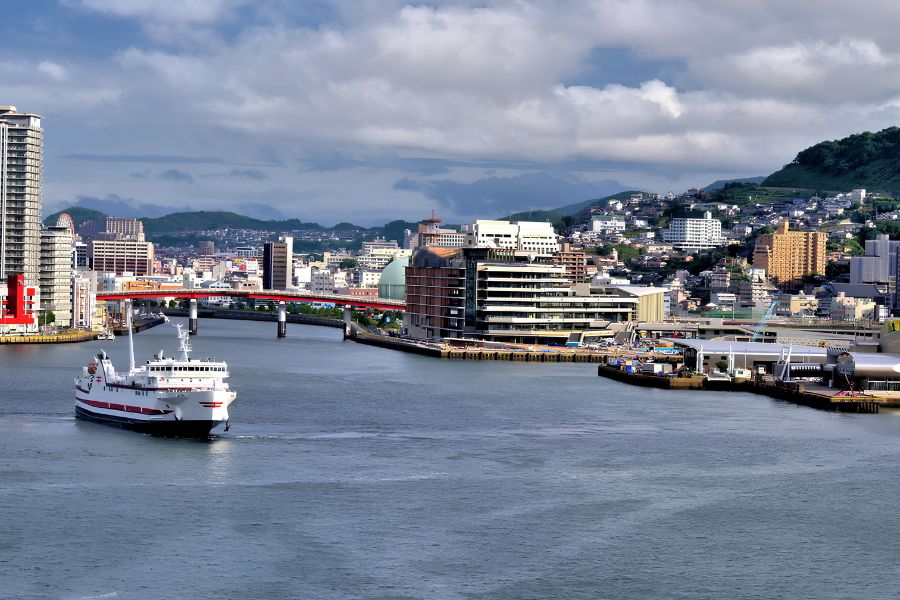
For much of Japan’s period of national isolation, Nagasaki served as the country’s primary window to the outside world. Foreign trade continued through carefully controlled channels, allowing the city to maintain connections with Europe and other parts of Asia when much of Japan remained closed to international influence.
Highlights:
- Dejima
- Glover Garden
- Oura Church
George Town, Penang, Malaysia
George Town is often considered one of Southeast Asia’s finest heritage destinations. Its strategic location along the Strait of Malacca helped transform it into a major trading hub connecting China, India, Europe, and the Malay Archipelago.
Today, visitors can wander through streets lined with colonial buildings, Chinese clan houses, temples, and vibrant street art. The city’s multicultural history is reflected in its exceptional food culture, making it a favorite among travelers seeking both heritage and cuisine.
Highlights:
- UNESCO World Heritage Site
- Clan Jetties
- Armenian Street
- Fort Cornwallis
- Famous street food scene
Melaka, Malaysia
Melaka’s location along one of the world’s busiest shipping routes gave it enormous strategic importance throughout history. Portuguese, Dutch, and British influences can still be seen throughout the city’s historic center.
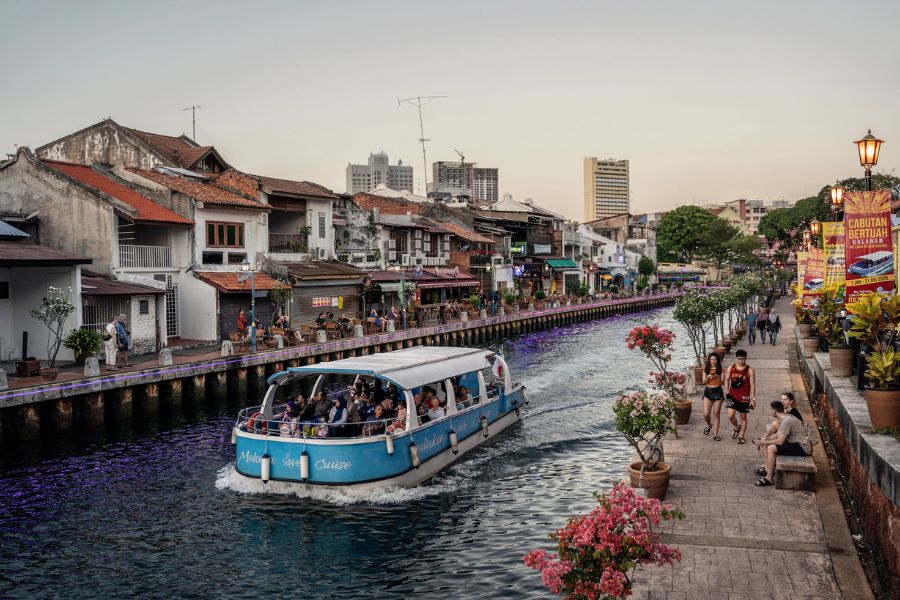
Walking through Melaka reveals layers of history that reflect centuries of maritime commerce. From colonial buildings to traditional Peranakan culture, the city offers a fascinating introduction to Southeast Asia’s trading heritage.
Highlights:
- Dutch Square
- St. Paul’s Hill
- A Famosa
- Jonker Street
Kochi, India
Located on India’s southwestern coast, Kochi played a central role in the spice trade for centuries. Arab, Chinese, Portuguese, Dutch, and British traders all left their mark on the city.
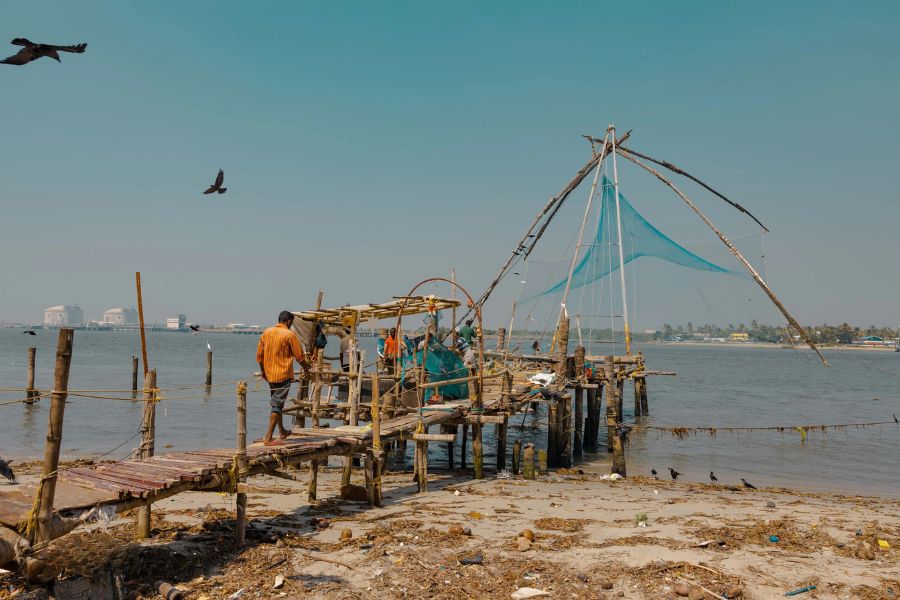
Today, Fort Kochi remains the heart of the visitor experience. Narrow streets, colonial architecture, art galleries, and iconic Chinese fishing nets showcase the city’s diverse cultural heritage. For travelers interested in Asian maritime heritage destinations, Kochi provides a compelling blend of history and local life.
Highlights:
- Fort Kochi
- Chinese Fishing Nets
- Mattancherry Palace
- Jew Town
Galle, Sri Lanka
Galle combines maritime history with coastal beauty in a way few destinations can match. Its famous fort, originally built by the Portuguese and later expanded by the Dutch, remains one of the best-preserved colonial fortifications in Asia.
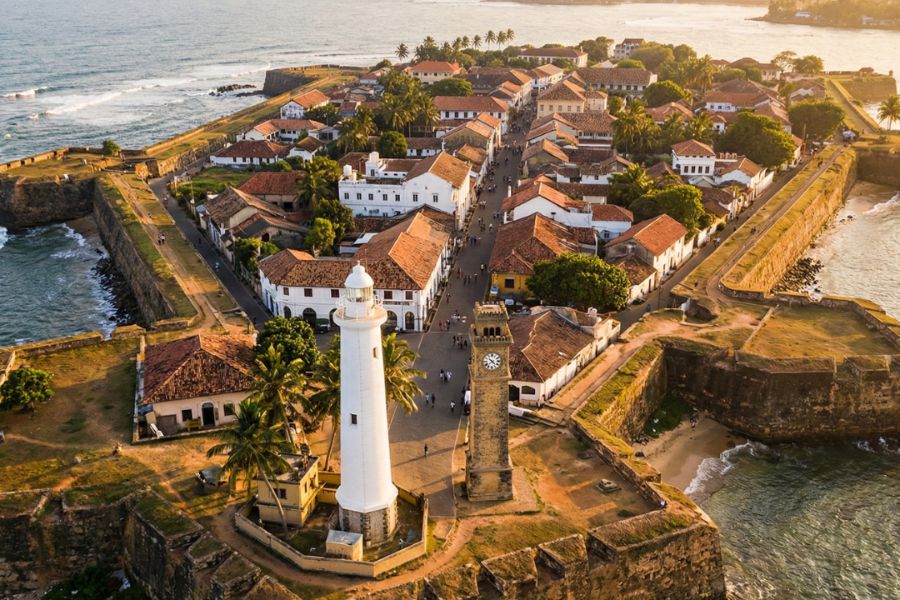
Visitors can walk along historic ramparts overlooking the Indian Ocean, explore charming streets filled with cafés and boutiques, and discover centuries of trading history within the fort’s walls.
Highlights:
- Galle Fort
- Dutch Reformed Church
- Historic ramparts
- Lighthouse and harbor views
Other Historic Port Cities in Asia You Shouldn’t Miss
While the destinations mentioned above are often the first names that come to mind, they are by no means the only options. Several other port cities across Asia also offer fascinating maritime heritage, distinctive architecture, and memorable cultural experiences.
- Qingdao, China: Known for its German colonial architecture and scenic waterfront, Qingdao blends maritime history with a distinctive European-influenced cityscape.
- Xiamen, China: This historic trading port is best known for Gulangyu Island, a UNESCO-listed destination that reflects the city’s rich maritime heritage.
- Kaohsiung, Taiwan China: Taiwan’s largest port combines historic harbor districts, cultural attractions, and revitalized waterfront spaces shaped by decades of international trade.
- Singapore: Once a strategic trading post, Singapore has evolved into a global city while preserving historic waterfront districts that showcase its multicultural maritime past.
Suggested Historic Port City Itineraries in Asia
For travelers interested in maritime history, cultural heritage, and waterfront exploration, combining several historic port cities into a single itinerary can provide a deeper understanding of Asia’s trading legacy. Depending on your schedule, there are several rewarding ways to experience these destinations.
One-week heritage-focused trip
A one-week itinerary works best when focusing on a single region. One excellent option is a journey through Southeast Asia’s historic trading ports. This itinerary offers a well-rounded introduction to the maritime history of the Strait of Malacca, one of the world’s most important trading corridors.
Suggested route: George Town – Melaka – Singapore
Two-Week multi-country port city journey
Travelers with additional time can create a broader itinerary that showcases different maritime traditions across Asia. This route highlights the diversity of Asia’s maritime heritage, revealing how different cultures adapted to trade, migration, and international exchange over the centuries.
Suggested route: Kobe – Kaohsiung – Xiamen – Hoi An – Singapore
Best cruise itineraries featuring historic ports
Cruising remains one of the most convenient ways to visit multiple historic ports during a single trip. Many Asian cruise itineraries include destinations with significant maritime heritage.
Popular cruise routes often feature:
- Singapore and Penang
- Singapore and Melaka region ports
- Kobe and other Japanese port cities
- Kaohsiung and Xiamen
- Ho Chi Minh City and Hoi An gateway ports
These voyages allow travelers to experience several historic waterfront destinations while enjoying the convenience of unpacking only once. Shore excursions frequently focus on historic districts, cultural landmarks, and local heritage attractions.
Travel Tips for Visiting Historic Port Cities in Asia

Historic port cities are often among the most rewarding destinations in Asia, but a little planning can help travelers make the most of their visit.
- Research and book local shore excursions early: Secure slots for popular cultural tours, local food experiences, or specialized historic walks well before your cruise sets sail.
- Prepare local currency for small purchases: While credit cards are widely accepted in major hubs, having local cash is essential for buying street food, souvenirs, or paying for traditional transport like trishaws and tuk-tuks.
- Dress respectfully for cultural and religious sites: Pack modest clothing that covers your shoulders and knees to ensure entry into Asia’s historic temples, shrines, and mosques.
- Stay mindful of the local climate and weather: Pack lightweight, breathable clothing, alongside reliable sun protection, a reusable water bottle, and a compact umbrella for sudden tropical showers.
- Download offline maps and translation apps: Navigate historic, winding alleyways with ease and bridge language barriers instantly by saving local maps and basic phrases onto your phone.
- Keep essential medications and comfort items handy: Carry a small daypack with motion sickness remedies, headaches pills, and wet wipes to stay comfortable during long walking tours.
Overall, Asia’s historic port cities offer much more than beautiful coastlines and waterfront views. Each destination tells a different story, from the preserved merchant houses of Hoi An and the colonial landmarks of Melaka to the bustling harbors of Kobe. The experiences in each city create a deeper connection to the places being visited and offer insights that extend beyond typical sightseeing.
