
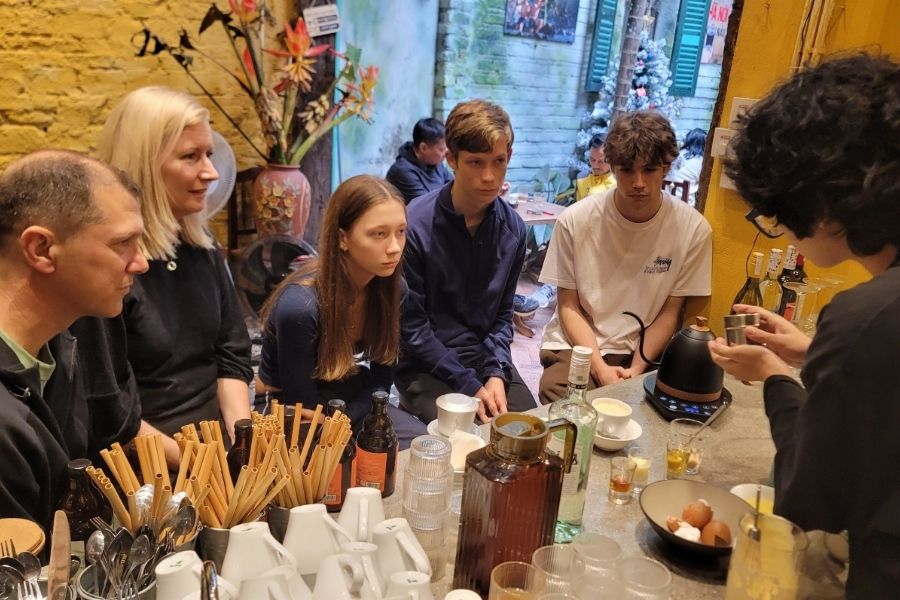
Vietnamese cuisine is one of the most rewarding ways to experience the country’s culture, and cruise travelers can discover its distinctive flavors even during a short port visit. Beyond the familiar dishes served in tourist-oriented restaurants, Vietnam offers lively local markets, family-run eateries, traditional street food stalls, and regional specialties that reflect the country’s diverse culinary heritage.
The key is choosing food experiences that fit the ship’s schedule while offering a genuine taste of local cuisine. With well-planned shore excursions with https://www.vietnamshoreexcursions.asia/, cruise passengers can sample regional dishes, explore bustling food markets, or join a hands-on cooking class without worrying about missing their departure.
Why Vietnamese Food Should Be Part of Your Shore Excursion
Vietnamese food is known for its balance of fresh herbs, aromatic broths, rice-based ingredients, and contrasting textures. However, the country’s culinary identity varies considerably by region, making each port of Vietnam tours an opportunity to discover something different.
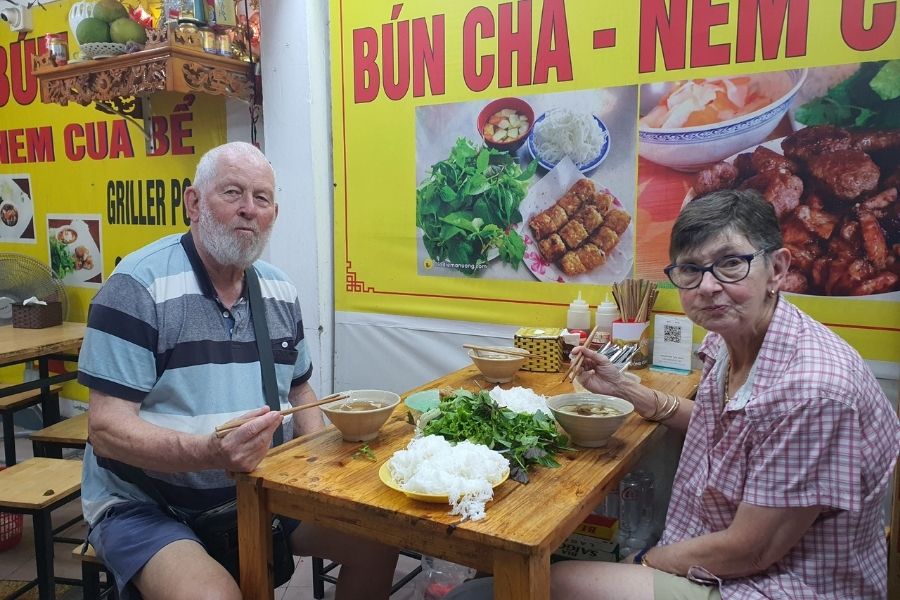
A food-focused shore excursion also offers cultural insights that traditional sightseeing may not provide. Watching vendors prepare noodles, seeing how locals customize their dipping sauces, or sharing a meal at a neighborhood restaurant reveals details of Vietnamese life that visitors might otherwise overlook.
Here are several reasons to include food in your Vietnam shore excursion:
- Discover regional culinary traditions: Northern, central, and southern Vietnam each have distinctive flavor profiles, signature dishes, and cooking techniques.
- Experience everyday local life: Traditional markets, sidewalk eateries, and family-owned restaurants provide a closer look at local dining habits.
- Taste dishes at their source: Sampling a regional specialty in the area where it is popular adds context to its ingredients, preparation, and cultural significance.
- Make the most of limited time ashore: A guided food tour can combine several tasting stops with cultural sightseeing in a single itinerary.
- Enjoy a more personal travel experience: Conversations with local guides, cooks, and vendors can make Vietnamese food more meaningful than simply ordering from a menu.
Discover Top Food Experiences for Cruise Travelers
1. Explore Traditional Vietnamese Street Food
Street food is among the most accessible ways to discover Vietnam’s culinary culture. Across the country, small food stalls and modest neighborhood restaurants serve dishes that have become essential parts of everyday life.
These establishments often specialize in just one or two dishes, allowing vendors to refine their recipes and preparation methods over many years. The atmosphere is usually informal, with compact seating, busy sidewalks, and food prepared in full view of customers.
Each dish offers a different perspective on Vietnamese cooking. Pho highlights the importance of broth and aromatics, banh mi demonstrates the adaptation of French culinary influences, and fresh rolls showcase the country’s use of herbs and contrasting textures.
2. Visit Local Markets for a Taste of Everyday Vietnam
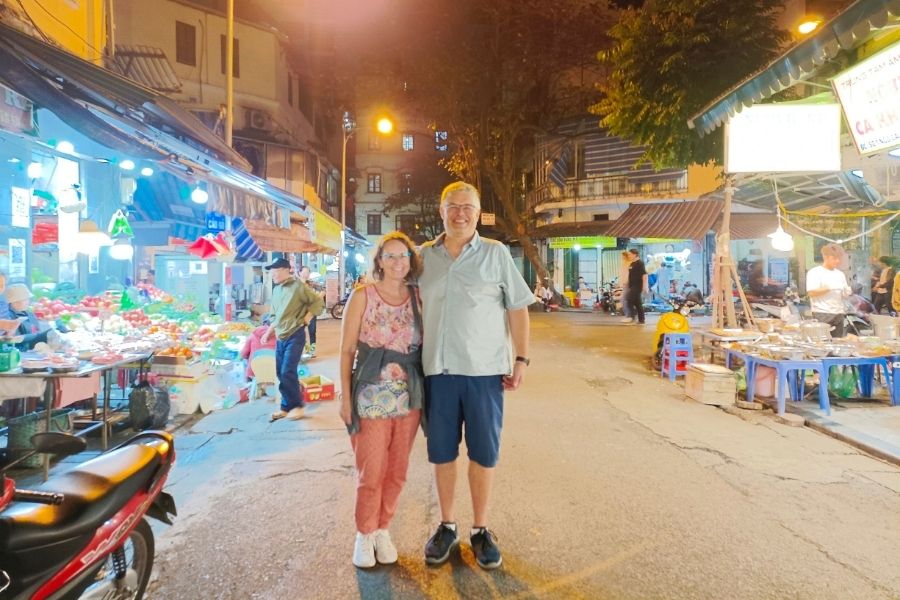
A traditional market offers a broader understanding of Vietnamese food culture than a restaurant visit alone. Markets are places where residents purchase fresh produce, seafood, meat, spices, herbs, and prepared foods for daily meals.
Depending on the destination, a market visit may also include opportunities to taste seasonal fruit, sample local snacks, or observe vendors preparing traditional specialties.
- Ben Thanh Market in Ho Chi Minh City: A well-known central market offering Vietnamese food products, souvenirs, and prepared dishes. It can be busy and tourist-oriented, so visitors should explore beyond the main shopping areas when time permits.
- Han Market in Da Nang: A popular place to discover regional food products, local snacks, dried seafood, and ingredients associated with central Vietnamese cuisine.
- Dong Ba Market in Hue: A useful introduction to the culinary traditions of Hue, a city celebrated for its distinctive royal and regional food heritage.
3. Taste Regional Specialties in Vietnam’s Cruise Destinations
Vietnam’s regional diversity is particularly evident in its cuisine. A dish that tastes different in Hanoi may reflect another preparation style, ingredient combination, or dining tradition when sampled in central or southern Vietnam. Choosing specialties associated with the port destination helps cruise travelers make their time ashore more distinctive.
Northern Vietnam: Refined Flavors and Traditional Noodle Dishes
Travelers visiting Hanoi may have the opportunity to try bun cha, pho, or cha ca – a traditional fish dish associated with the capital. These specialties offer insight into the city’s long-established food culture and the importance of noodles, fresh herbs, and carefully prepared sauces.
Passengers arriving through Halong port should check travel times before arranging a food excursion to Hanoi. The capital is not immediately accessible from every northern cruise port, and an extended transfer can significantly reduce the time available for dining and sightseeing.
Central Vietnam: Bold Seasonings and Distinctive Local Dishes
Da Nang is an excellent place to explore central Vietnamese food. Regional specialties may include mi Quang, a turmeric-colored noodle dish served with a modest amount of broth, herbs, peanuts, and various toppings. Banh xeo and local seafood dishes are also worth seeking out.
Travelers visiting Hue can discover bun bo Hue, a flavorful beef and pork noodle soup traditionally associated with the former imperial capital. The city’s culinary heritage also includes smaller savory cakes and dishes influenced by royal and regional cooking traditions.
Southern Vietnam: Fresh Herbs, Sweet-Savory Flavors, and Seafood
Ho Chi Minh City offers an extensive range of street food and regional dishes, including hu tieu, a noodle soup popular in the south, as well as broken rice served with grilled pork and other accompaniments.
Coastal destinations may provide opportunities to enjoy freshly prepared seafood, depending on local availability and the excursion route. Fish, shrimp, squid, and shellfish are common features of many coastal menus.
4. Join a Vietnamese Cooking Class
A typical class may begin with a visit to a local market, where participants learn about fresh ingredients and select produce for the meal. A local cook or instructor then demonstrates preparation techniques, seasoning methods, and the role of individual ingredients in a traditional recipe.
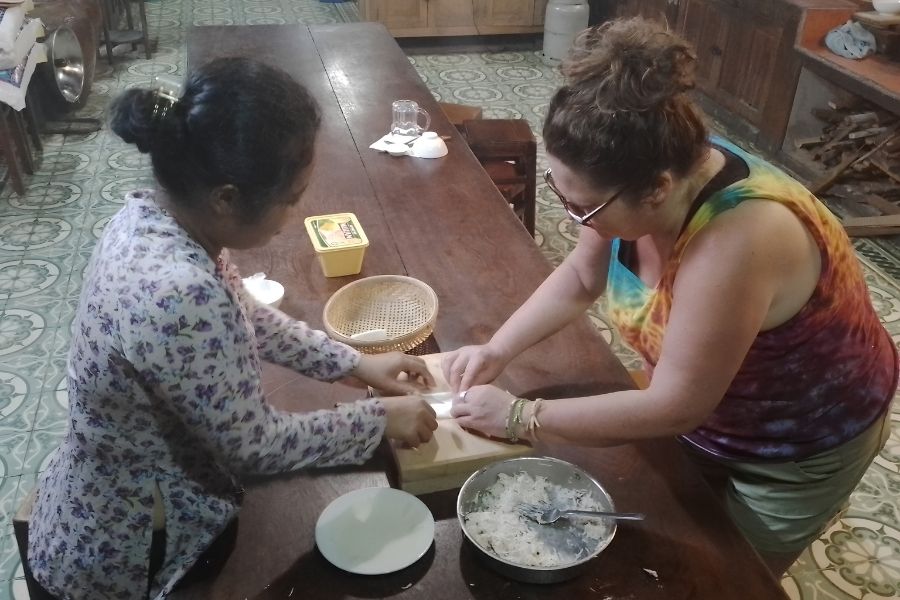
Depending on the class, participants might prepare fresh spring rolls, Vietnamese pancakes, noodle dishes, or regional specialties. Cooking classes provide several advantages for cruise travelers:
- Hands-on cultural learning: Participants gain practical experience with Vietnamese ingredients and cooking methods.
- Personal interaction: Smaller classes can encourage conversations with local cooks and instructors.
- A lasting travel memory: Learning to prepare a familiar dish offers a practical way to reconnect with the trip after returning home.
- Flexible food exploration: Some classes can accommodate vegetarian preferences or other dietary requirements when arrangements are made in advance.
Not every cooking class includes a market visit, and the total duration can vary considerably. Cruise passengers should confirm the itinerary, transportation arrangements, and expected return time before booking.
5. Discover Vietnamese Coffee and Traditional Desserts
Coffee shops, dessert stalls, and small neighborhood cafés offer another way to experience local routines during a port visit. Vietnamese coffee is commonly prepared using a small metal drip filter called a phin.
The coffee may be served hot or over ice, often with condensed milk. Egg coffee, associated with Hanoi, combines coffee with a rich, creamy egg-based topping, while coconut coffee is another popular variation found in some cafés.
Visitors interested in sweets can also look for che, a broad category of Vietnamese desserts that may contain beans, fruit, jellies, coconut milk, or sweetened ingredients. Recipes and textures vary widely, giving travelers an opportunity to try something unfamiliar without committing to a large meal.
Food Safety Tips for Cruise Travelers in Vietnam
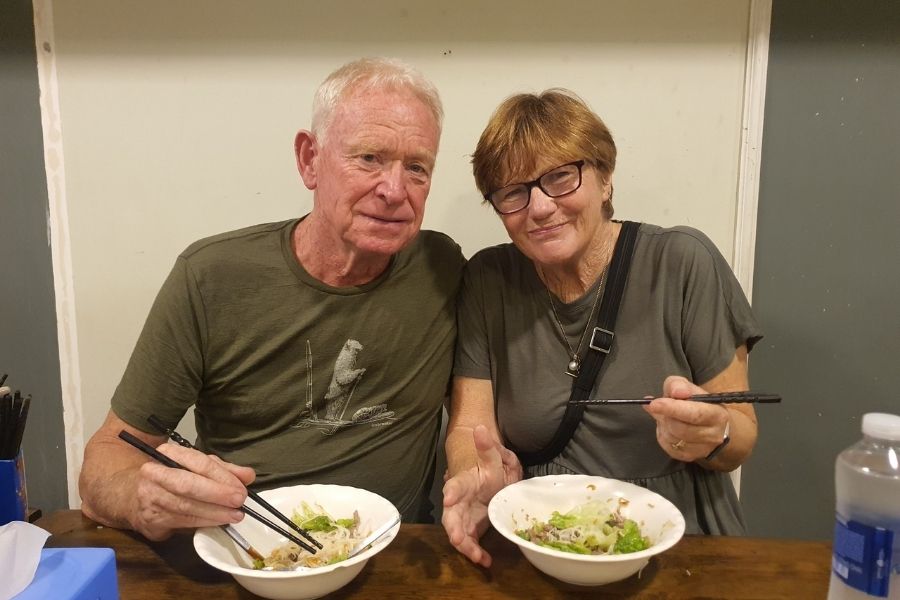
Trying local cuisine does not need to mean taking unnecessary risks. A few practical precautions can help visitors enjoy a wider range of dishes with greater confidence.
- Choose busy food stalls and restaurants with visible food preparation and good turnover.
- Prefer hot dishes served thoroughly cooked and piping hot.
- Drink sealed bottled water or water confirmed to be safe, and use it when brushing your teeth if local water safety is uncertain.
- Be cautious with raw seafood, uncooked meat, and foods that have been sitting unrefrigerated for extended periods.
- Wash or sanitize your hands before eating, especially after visiting crowded markets.
- Tell your guide about serious food allergies in advance, and confirm ingredient details directly with the restaurant.
Food safety practices can vary between establishments, and even popular venues cannot eliminate every risk. Travelers with severe allergies or specific medical dietary needs should take additional precautions.
For travelers planning a Vietnam cruise, Vietnam Shore Excursions can be a useful starting point for exploring food-focused activities alongside cultural sightseeing. Choose an itinerary suited to your port of arrival, interests, and available time, and make Vietnamese cuisine an essential part of your journey.
