
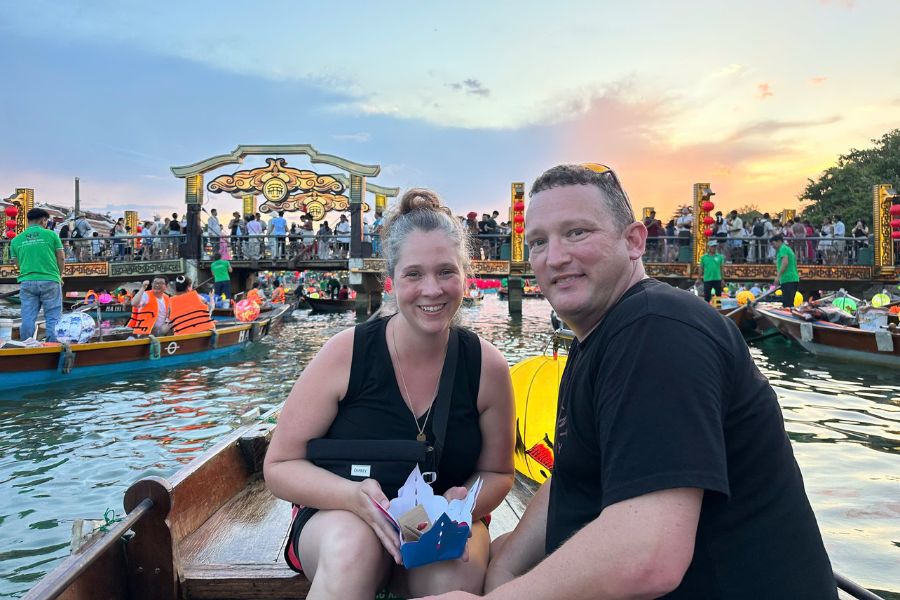
Planning your first cruise in Asia can feel overwhelming. The region spans dozens of countries, countless cultures, and an incredible variety of destinations. For many travelers, experiences such as Japan shore excursions or Vietnam tours become the highlight of the journey, offering a deeper connection to local history, cuisine, and traditions.
A well-planned voyage allows you to experience multiple countries without the hassle of packing and unpacking at every stop. This first-time Asia cruise guide covers everything you need to know before setting sail.
When Is the Best Time to Take an Asia Cruise?
Choosing the right season can significantly enhance your cruise experience in Asia. Understanding seasonal patterns will help you enjoy smoother sailing, better sightseeing opportunities, and unique cultural events along the way.
Northeast Asia Cruise Season
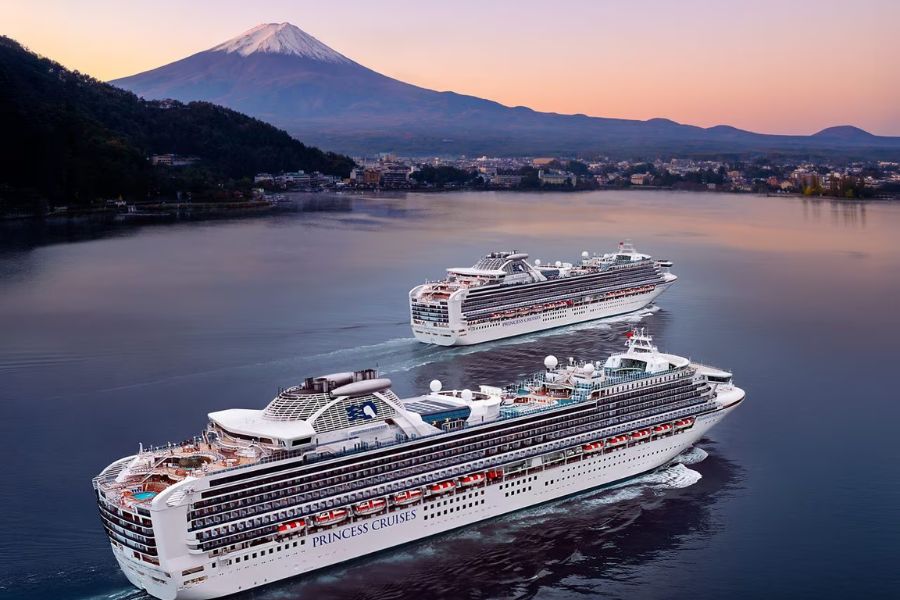
For destinations such as Japan and South Korea, the most popular cruise periods are typically:
- Spring: March to May
- Autumn: September to November
Spring is especially sought after for its iconic cherry blossom season. Parks, temples, and city streets come alive with delicate pink blooms, creating some of the most picturesque landscapes in Asia. On the other hand, autumn offers an equally rewarding experience, with vibrant foliage, crisp air, and pleasant temperatures that are ideal for exploring ports on foot.
Southeast Asia Cruise Season
Countries in Southeast Asia such as Singapore, Thailand, Vietnam, and Malaysia are generally best visited between November and March. During these months, travelers can enjoy ideal conditions for sightseeing, cultural exploration, and Vietnam tours, with pleasant temperatures and lower rainfall across much of the region.
- More moderate temperatures
- Lower humidity levels
- Reduced rainfall in many regions
- Better conditions for outdoor activities and excursions
This period is particularly appealing for those looking to escape colder climates. It allows them to enjoy tropical destinations without the intense heat often experienced during other times of the year.
Be Aware of Typhoon and Monsoon Seasons
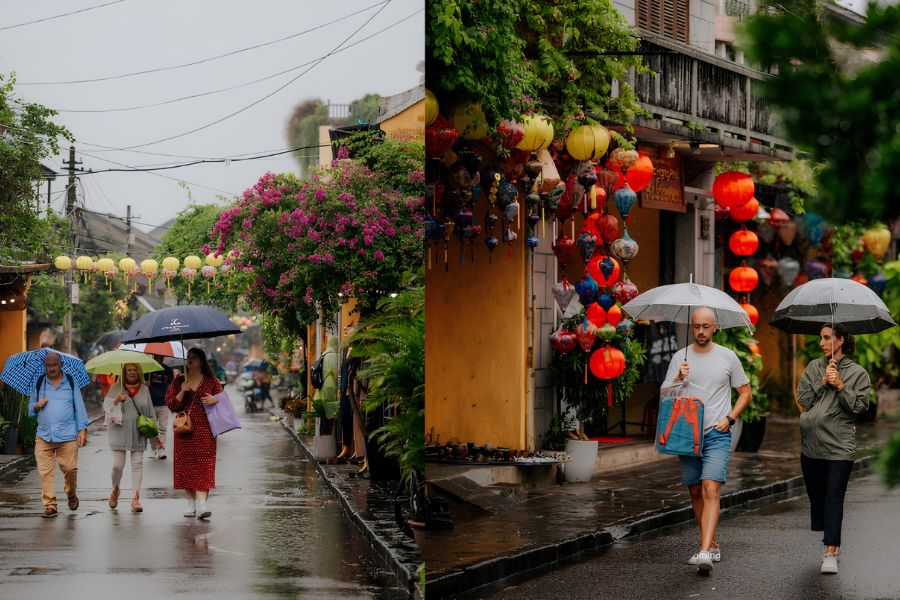
Asia’s weather patterns can be complex, making it important to research your cruise itinerary before booking. Key factors to keep in mind include:
- Typhoon activity in parts of Japan, Taiwan, Hong Kong, and South Korea
- Monsoon seasons affecting several Southeast Asian countries
- Regional variations in rainfall and temperature throughout the year
Modern cruise ships are well-equipped to handle changing conditions. However, cruise lines may occasionally modify routes or port schedules to prioritize passenger safety.
Seasonal Experiences Worth Planning Around
One of the greatest advantages of cruising in Asia is the opportunity to experience seasonal events that showcase the region’s rich culture and natural beauty. Some of the most memorable seasonal highlights include:
- Cherry blossom cruises in Japan during spring
- Spectacular autumn foliage in Japan and South Korea
- Lunar New Year celebrations across multiple Asian destinations
- Traditional festivals, cultural performances, and local celebrations unique to each region
Having a flexible schedule allows you to perfectly align your voyage with these incredible seasonal experiences. By capturing these rare moments, you can easily elevate a standard itinerary into a truly unforgettable journey.
Asia Cruise Guide to Choose the Right Itinerary

Selecting the right cruise itinerary is one of the most important decisions you’ll make when planning your trip. The best option depends on how much time you have, the destinations you want to explore, and the type of travel experience you enjoy.
Short Cruises (3 – 5 Days)
Short cruises are an excellent choice for first-time cruisers who want to experience life at sea without committing to a longer vacation. These cruise itineraries typically depart from major cruise hubs such as Singapore or Hong Kong and visit one or two nearby destinations.
Advantages include:
- Lower overall travel costs
- Easier scheduling for busy travelers
- A chance to become familiar with cruise life
- Less time away from work or family commitments
Shorter cruises may offer limited destination coverage, but they serve as the perfect introduction to the overall cruising experience. It is an ideal, low-commitment way for travelers to discover if longer voyages suit their vacation style.
Medium-Length Cruises (7 – 10 Days)
For many travelers, this is the ideal cruise duration. A thoughtfully planned Asia cruise itinerary within this range offers a comfortable balance between exploration and relaxation.
These cruises often include several ports across different countries, allowing passengers to experience a wider variety of cultures, cuisines, and attractions without feeling rushed. You’ll have enough time to enjoy both the destinations and the onboard amenities, making the journey itself part of the experience.
This option is particularly popular among first-time visitors to Asia as it delivers a meaningful introduction to the region. At the same time, it remains highly manageable in terms of both time and budget.
Extended Cruises (10+ Days)
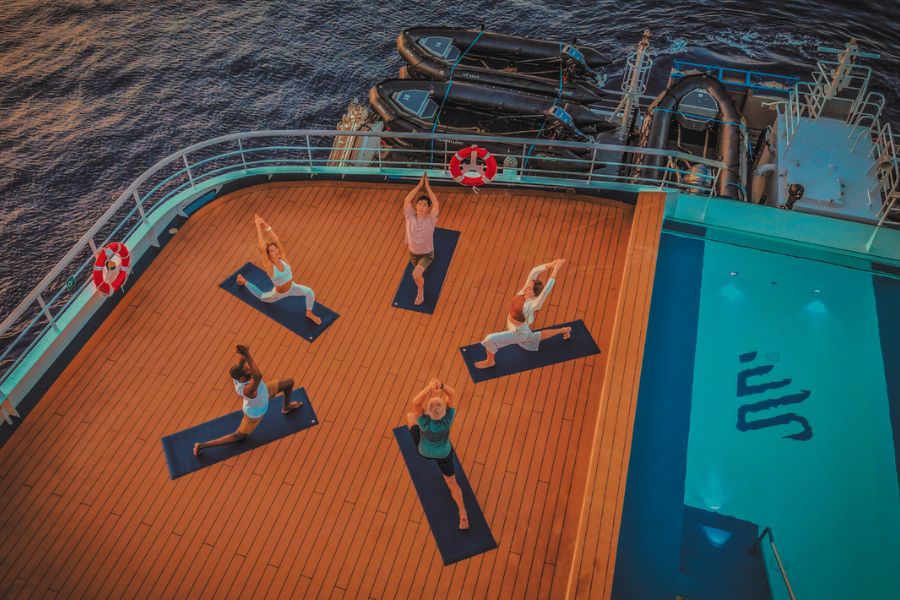
Travelers seeking a deeper connection with Asia may find longer itineraries especially rewarding. Extended cruises allow for more comprehensive exploration and often include destinations that shorter voyages cannot accommodate. Depending on the route, these cruises may feature:
- Visits to multiple countries
- Overnight stays in major ports
- Access to lesser-known destinations
- More opportunities for cultural immersion
- Additional sea days for relaxation
One-Way vs Round-Trip Cruises
The route structure can significantly influence your overall travel plans.
- Round-trip cruises begin and end in the same port, making flight arrangements simpler and often more cost-effective.
- One-way cruises, on the other hand, start and finish in different cities. This option covers a greater geographic area and allows travelers to experience more destinations during a single journey.
If maximizing destination variety is your priority, a one-way itinerary may be worth considering. If convenience and simplicity matter most, a round-trip cruise is usually the better choice.
Important Travel Documents and Entry Requirements for Cruisers
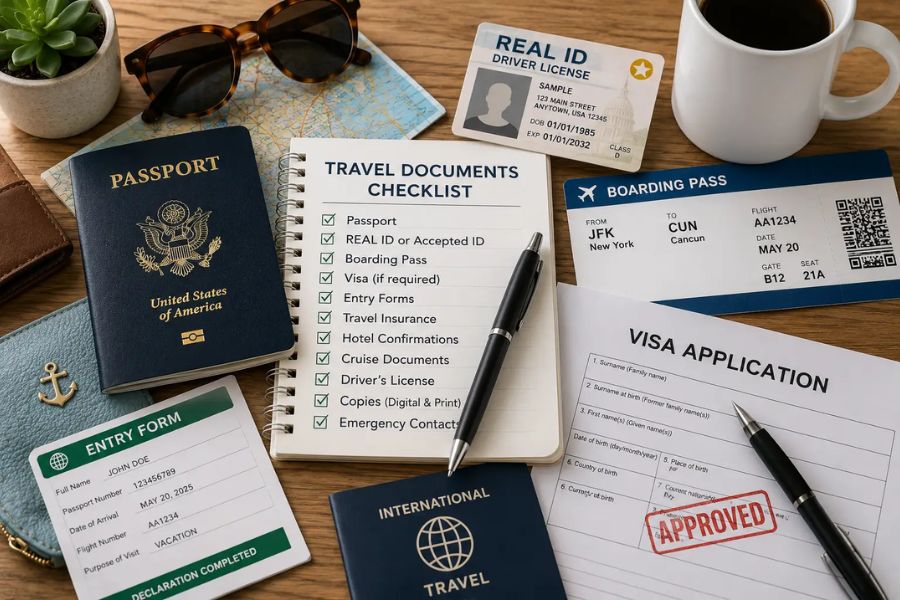
Proper preparation before departure can save you from unnecessary stress and costly travel disruptions. Since an Asia cruise often involves multiple countries, travelers should review all entry requirements well in advance of their sailing date.
- Passport Requirements: Ensure your passport is valid for at least six months beyond your travel dates, has enough blank pages for stamps, and meets any multiple-entry requirements on your itinerary.
- Visa Requirements: Visa rules vary by country and nationality. Check official immigration websites for each port, confirm visa or transit visa requirements, and verify application timelines before departure.
- Travel Insurance: Purchase comprehensive travel insurance that covers cruise-related issues such as trip cancellations, medical emergencies, evacuations, baggage delays, and itinerary changes.
- Health and Vaccination Considerations: Review current health requirements, recommended vaccinations, and travel advisories for all destinations. Bring necessary medications and keep copies of important medical documents with you.
First-Time Asia Cruise Guide: What to Pack?
Packing efficiently can make your cruise far more comfortable. Asia’s diverse climates mean that travelers often encounter a wide range of temperatures and weather conditions during a single itinerary.
Essential Travel Documents
Keep all critical documents organized and easily accessible throughout your journey. Your travel document folder should include:
- Passport
- Cruise boarding documents
- Flight confirmations
- Travel insurance details
- Visa documentation
- Emergency contact information
Creating digital backups stored securely online provides additional protection in case physical copies are lost. A practical Asia cruise travel checklist should always begin with document preparation before considering clothing or accessories.
Clothing for Different Climates
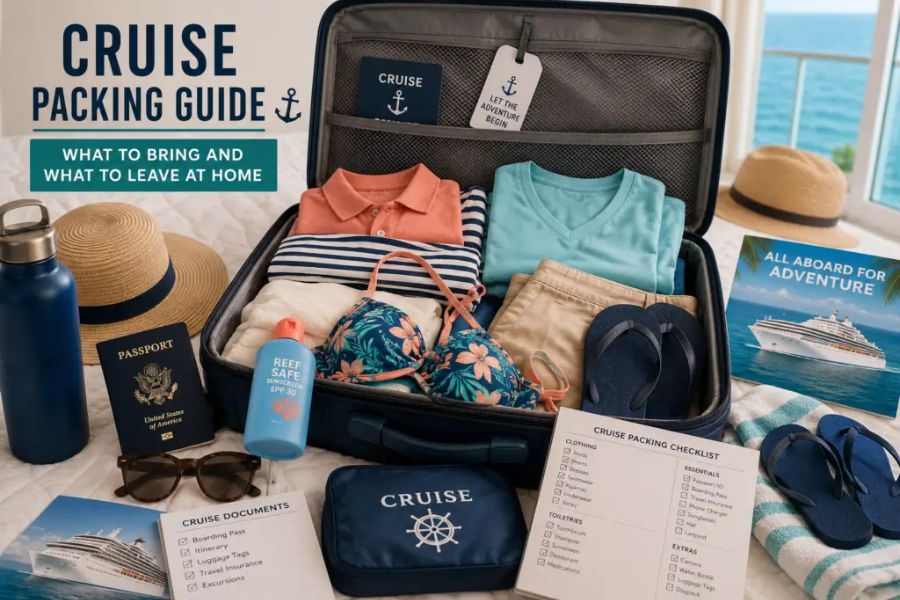
Asia spans tropical, subtropical, and temperate climate zones. As a result, packing strategies should reflect your itinerary. Consider packing:
- Lightweight shirts and trousers
- Comfortable shorts
- A light jacket or sweater
- Rain protection
- Formal attire if required by the cruise line
Versatile clothing items help minimize luggage while preparing you for different environments.
Shore Excursion Essentials
Port days often involve significant walking and sightseeing. Many experienced travelers agree that successful Asia cruise shore excursions begin with practical preparation rather than extensive packing. Recommended items include:
- Comfortable walking shoes
- Lightweight daypack
- Portable charger
- Sunscreen
- Sunglasses
- Travel umbrella
- Refillable water bottle
Useful Travel Accessories
Small accessories can greatly improve convenience throughout your voyage. Some particularly useful items include:
- Universal power adapter
- Portable battery pack
- Medication kit
- Packing cubes
- Noise-canceling headphones
- Luggage tags
- Hand sanitizer
It is highly recommended to pack a basic supply of medications for common issues like headaches, motion sickness, allergies, and minor stomach discomfort. Having these on hand is especially helpful when your itinerary involves visiting multiple countries.
Shore Excursions Guide: How to Make the Most of Every Port

One of the biggest advantages of cruising is the opportunity to experience multiple destinations during a single trip. Every port introduces new cultures, cuisines, landscapes, and attractions, making shore excursions an essential part of the overall cruise experience.
One of the first decisions you’ll face at each destination is whether to join an excursion organized by the cruise line or explore independently. Both options offer advantages, and the right choice often depends on your travel style, budget, and comfort level.
| Factor | Cruise Line Excursions | Local Tour Companies | Independent Tours |
| Convenience | High – transportation and logistics are arranged by the cruise line | High – transportation is usually included | Moderate – travelers must organize transportation and schedules themselves |
| Cost | Generally more expensive | Often moderately priced, offering a balance between value and service | Often more affordable |
| Flexibility | Fixed itinerary and schedule | More flexible than cruise excursions, with some customization options | Greater freedom to customize activities |
| Group Size | Usually larger groups | Typically small groups or semi-private tours | Often smaller groups or private experiences |
| Local Guidance | Professional guides provided | Local experts with in-depth destination knowledge | Depends on the tour operator or self-guided planning |
| Risk of Missing the Ship | Very low – the ship typically waits for official excursions delayed by unforeseen circumstances | Moderate – reputable operators usually monitor ship schedules, but travelers remain responsible for returning on time | Higher – travelers are responsible for returning on time |
| Best For | First-time visitors, families, and travelers seeking convenience | Travelers seeking a balance of convenience, value, and local expertise | Independent travelers, budget-conscious cruisers, and experienced explorers |
Common Mistakes First-Time Asia Cruise Travelers Make
Many first-time cruisers focus heavily on choosing a ship and itinerary but overlook important details that can significantly impact their overall experience. Understanding these common pitfalls before departure can help you enjoy a smoother journey.
- Choosing the Wrong Season: Booking a cruise without considering regional weather patterns can lead to disruptions caused by typhoons, monsoons, or unfavorable sightseeing conditions.
- Underestimating Port Distances: Assuming attractions are close to the cruise terminal can result in missed activities, rushed schedules, or late returns to the ship.
- Not Researching Visa Requirements Early: Waiting too long to check visa regulations may cause documentation issues that affect your ability to visit certain destinations.
- Overpacking or Underpacking: Bringing too much or too little luggage can reduce comfort and leave you unprepared for varying climates and activities.
- Booking Shore Excursions Too Late: Delaying excursion reservations may cause you to miss popular tours that often sell out before departure.
- Relying Solely on Credit Cards: Depending only on credit cards may create difficulties in places where cash remains the preferred payment method.
- Not Purchasing Travel Insurance: Traveling without insurance can expose you to significant financial risks if unexpected disruptions occur during your trip.
- Trying to See Too Much in One Day: Packing too many activities into a single port visit often creates unnecessary stress and reduces overall enjoyment.
An Asia cruise is an excellent way to explore multiple countries, cultures, and attractions in one convenient trip. With proper planning, the right itinerary, and a basic understanding of travel requirements, first-time cruisers can enjoy a smooth and rewarding experience.
