
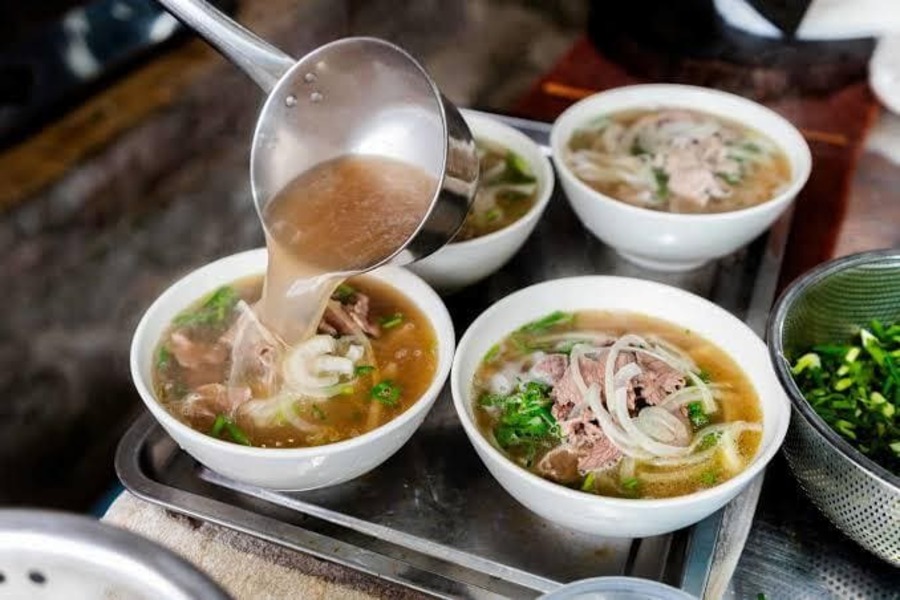
Quick answer: Pho is a Vietnamese noodle soup made by simmering beef or chicken bones with charred ginger, charred onion, and toasted spices (star anise, cinnamon, cloves, coriander) for 3 to 8 hours. The clear, fragrant broth is seasoned with fish sauce and rock sugar, then poured over soft rice noodles and thin slices of meat. Fresh herbs, bean sprouts, and lime finish the bowl.
If you have ever wondered how to make pho at home without ending up with a cloudy, bland, or one-dimensional soup, this guide is for you. It covers every step: choosing bones, building a clear broth, toasting spices, timing the noodles, and assembling a bowl that tastes like it came from a Hanoi street stall. For travelers planning a Vietnam tour, learning how pho is prepared also offers a deeper appreciation of the local food culture and the regional flavors they can experience along the way.
Everything here is based on traditional Vietnamese technique, cross-checked against the practices of Vietnamese cooks and well-known Vietnamese cookbook authors, then adapted for a regular Western home kitchen with ingredients you can find in an Asian grocery store.
In this guide:
- How pho is made, in brief
- Ingredients and equipment
- The broth, step by step
- How long to cook pho noodles
- Assembling the bowl
- Northern vs. Southern style
- Chicken pho, Instant Pot, and slow cooker versions
- Common mistakes, storage, and FAQ
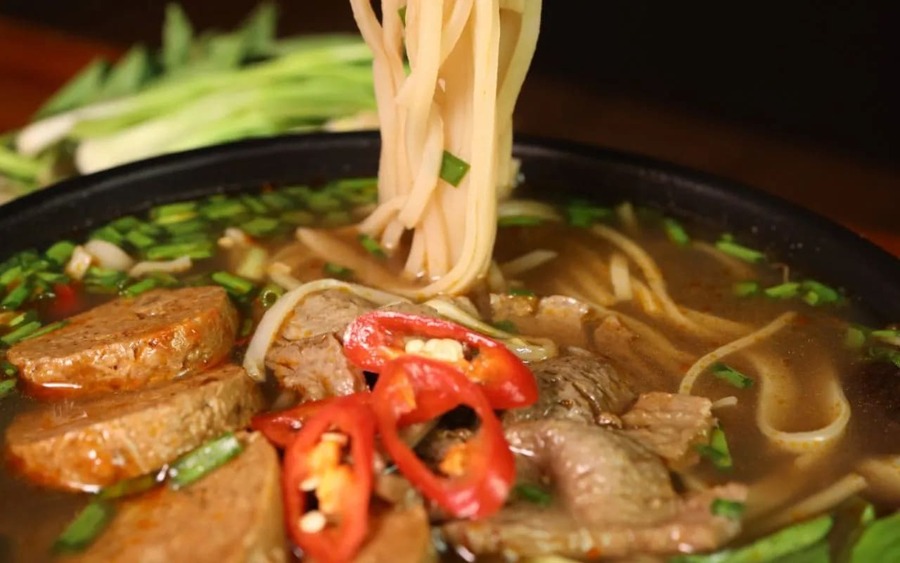
How Is Pho Made? The Process in Five Stages
Before the detailed steps, it helps to see the whole picture. Pho is made in five stages:
- Prepare the bones. Parboil beef bones for 10 to 15 minutes, then rinse them clean. This removes the impurities that make broth cloudy and gamey.
- Char the aromatics and toast the spices. Onion and ginger are blackened over open flame or under a broiler. Whole spices are toasted in a dry pan until fragrant.
- Simmer the broth. Bones, meat, aromatics, and spices go into a large pot of water and simmer gently for several hours. Scum is skimmed off along the way.
- Season and strain. Fish sauce, rock sugar, and salt are added toward the end, and the broth is strained until clear.
- Assemble the bowl. Rice noodles are softened, placed in a bowl with sliced meat, and covered with boiling broth. Herbs and garnishes go on top.
Pho originated in northern Vietnam in the early twentieth century, with the dish taking shape in and around Hanoi. It later spread south, especially after 1954, when many northerners migrated to Saigon. The southern version added more herbs, bean sprouts, and sweeter, bolder flavors. Today pho is eaten around the world, but the core technique has not changed: a patient, clean, deeply flavored broth is everything.
How Do You Make Pho? Ingredients and Equipment
Pho looks like it has a long ingredient list, but most items are simple. The spices and the bones do the heavy lifting.
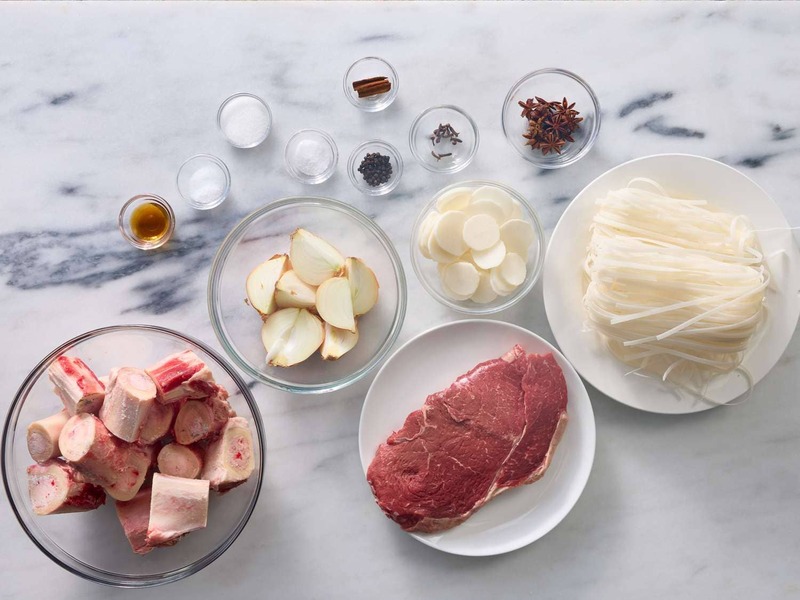
Ingredients for the broth (serves 6 to 8)
- 3 to 4 pounds (1.5 to 2 kg) beef bones. A mix works best: knuckle bones for collagen, marrow bones for richness, and oxtail for meaty flavor.
- 1.5 to 2 pounds (700 to 900 g) beef brisket, chuck, or shank. This is simmered in the broth and sliced for serving.
- 2 large yellow onions, halved and unpeeled or lightly peeled.
- A 4-inch (10 cm) piece of fresh ginger, halved lengthwise.
- 5 quarts (about 5 liters) of water, plus extra for parboiling.
- 3 to 4 tablespoons fish sauce, plus more to taste.
- 1 to 2 ounces (30 to 60 g) rock sugar, or 1 to 2 tablespoons regular sugar.
- 1 to 2 tablespoons kosher salt, to taste.
Whole spices
- 4 whole star anise
- 1 cinnamon stick (about 3 inches), preferably cassia
- 5 whole cloves
- 1 tablespoon coriander seeds
- 1 teaspoon fennel seeds
- 1 to 2 black cardamom pods (optional but traditional in many northern recipes; they add a subtle smokiness)
Pre-made pho spice packets are sold in Asian markets and are a fine shortcut. Still, toasting your own whole spices tastes noticeably better.
For each bowl
- Dried or fresh flat rice noodles (bánh phở), about 3 to 4 ounces (85 to 115 g) dried per person, or 5 to 6 ounces fresh.
- Thinly sliced raw beef such as sirloin, eye of round, or flank (optional, about 2 to 3 ounces per bowl).
- The cooked brisket, sliced.
- Sliced white or green onion.
- Chopped cilantro.
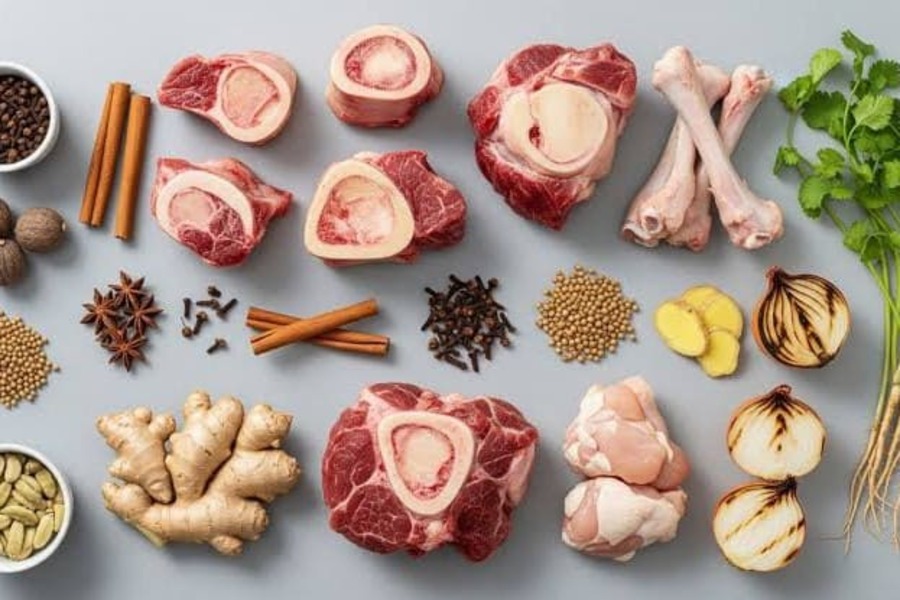
Garnishes and table condiments
- Bean sprouts
- Thai basil
- Culantro (sawtooth herb, ngò gai)
- Lime wedges
- Sliced jalapeño or Thai chili
- Hoisin sauce and sriracha (for dipping, not for stirring into the broth, if you want to respect tradition)
Equipment
- A stockpot of at least 8 quarts (a 12-quart pot is better).
- A fine-mesh strainer or cheesecloth.
- A ladle and a skimmer.
- A gas burner, kitchen torch, or oven broiler for charring.
- A dry skillet for toasting spices.
How to Make Pho Broth: Step-by-Step Instructions
The broth is the soul of the dish. Learning how to make pho broth well is 90 percent of learning how to make pho. Follow these steps carefully.
Step 1: Parboil and clean the bones
Place the bones in a large pot and cover with cold water. Bring to a rolling boil and let it boil hard for 10 to 15 minutes. You will see grey-brown foam and scum rise to the surface.
Drain the bones into a colander and discard the water. Rinse each bone under running water, scrubbing off any clinging scum or dark bits. Wash the pot, too.
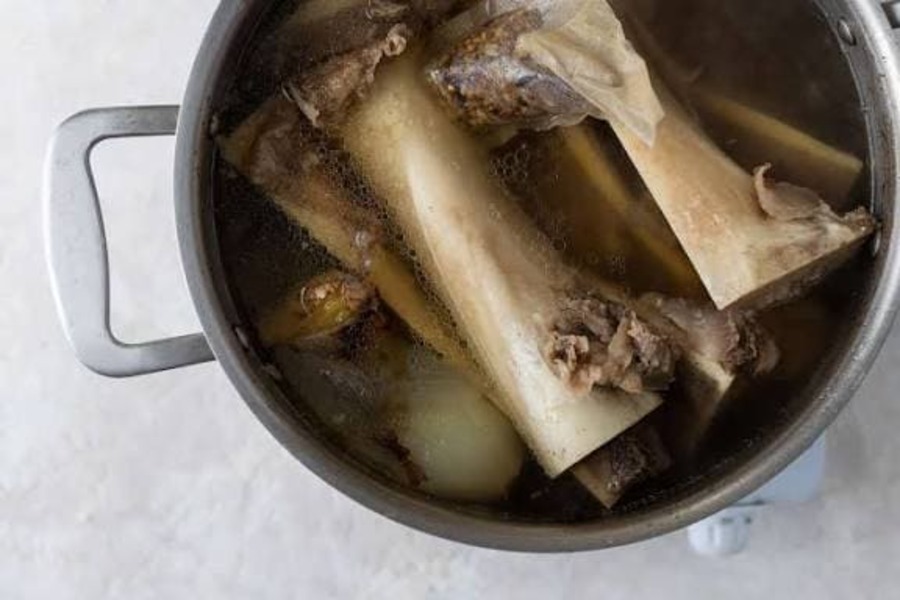
Why this matters: Skipping the parboil is the single most common reason homemade broth turns cloudy and tastes slightly sour or “off.” Parboiling gives you a clean slate.
Step 2: Char the onion and ginger
Charring adds a gentle sweetness and smoky depth that raw aromatics cannot provide.
- Over a gas flame: Hold the onion halves and ginger with tongs directly over the burner, turning until the skin is blackened in spots, about 5 to 8 minutes.
- Under the broiler: Place them on a foil-lined tray 4 to 6 inches from the element. Broil 5 to 7 minutes per side until deeply charred.
- On a grill: Grill cut-side down for about 5 minutes, then turn.
Let them cool slightly, then rinse off the loosest burnt bits. You do not need to remove every blackened spot. A little char is flavor. Smash the ginger lightly with the flat of a knife to release more aroma.
Step 3: Toast the spices
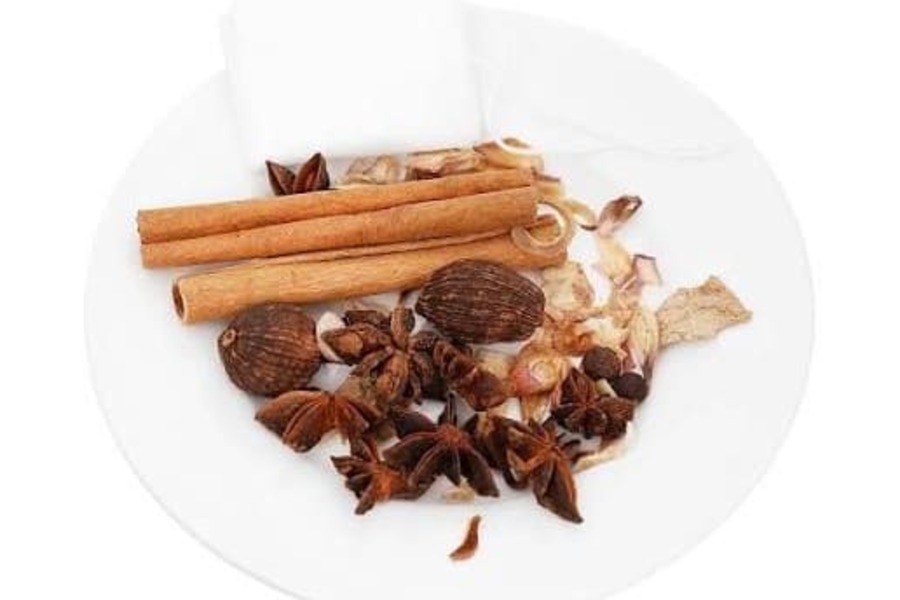
Place the star anise, cinnamon, cloves, coriander seeds, fennel seeds, and black cardamom in a dry skillet over medium-low heat. Stir or shake for 2 to 3 minutes until the spices smell warm and fragrant. Do not let them smoke or burn, as burnt spices turn the broth bitter.
Transfer the spices to a muslin spice bag, a tea ball, or a square of cheesecloth tied with kitchen string. This makes them easy to remove later so the broth does not become over-spiced.
Step 4: Start the simmer
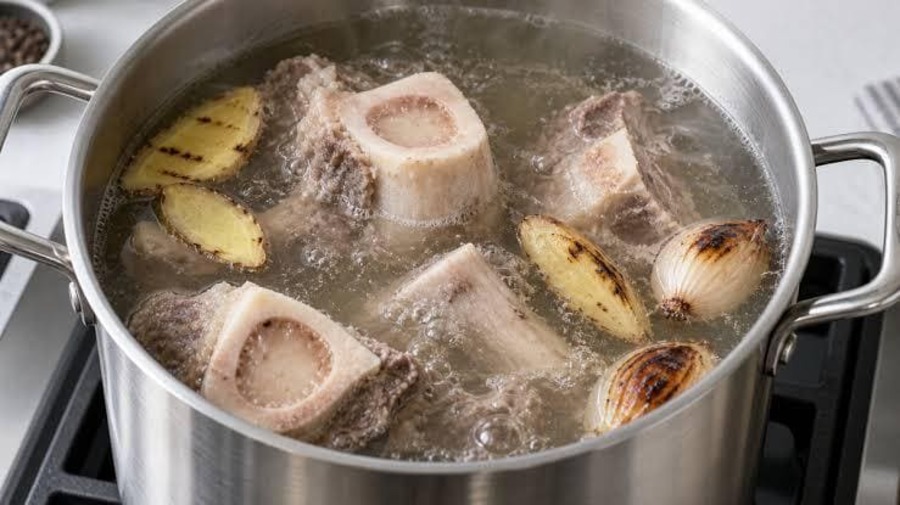
Return the cleaned bones to the washed pot. Add the brisket, the charred onion, and the ginger. Pour in 5 quarts (5 liters) of cold water. Bring it to a boil over high heat, then immediately reduce to the lowest heat that keeps a gentle simmer, with just a few small bubbles breaking the surface.
Never let the broth boil hard after this point. A rolling boil emulsifies fat and proteins into the liquid and makes it murky. A lazy, barely-there simmer keeps it clear.
Skim off any foam that rises during the first 30 minutes. Skim again whenever you see a layer of scum. Some fat on top is good, since it carries flavor, but you can skim excess fat later.
Step 5: Add the spices
After about 45 minutes to 1 hour, add the spice bag. Adding spices too early can make the broth taste medicinal or bitter, while adding them partway through lets their aroma stay bright and balanced. Keep simmering.
Step 6: Remove the meat at the right time
The brisket will be tender in about 1.5 to 2 hours, when a knife slides in easily but the meat is not falling apart. Lift it out and plunge it into a bowl of cold water for 10 minutes. This stops the cooking and prevents the surface from darkening and drying out. Pat it dry, wrap it, and refrigerate. It will slice cleanly when cold.
Step 7: Keep simmering the bones
Continue simmering the bones and aromatics, uncovered or partially covered, for a total of 6 to 8 hours for a deep, rich, traditional broth. If you are short on time, 3 to 4 hours will produce a good, though lighter, broth. Top off with hot water if the level drops below the bones.
Step 8: Season the broth
In the last 30 minutes, remove the onion, ginger, and spice bag if the aroma is strong enough. Then season:
- Add 3 tablespoons fish sauce.
- Add 1 ounce rock sugar (or 1 tablespoon sugar).
- Add 1 tablespoon salt.
Taste, then adjust. Pho broth should be savory with a subtle sweetness and a clean, warm spice finish. Because the broth will be diluted by noodles, it should taste slightly strong and well seasoned on its own.
Step 9: Strain
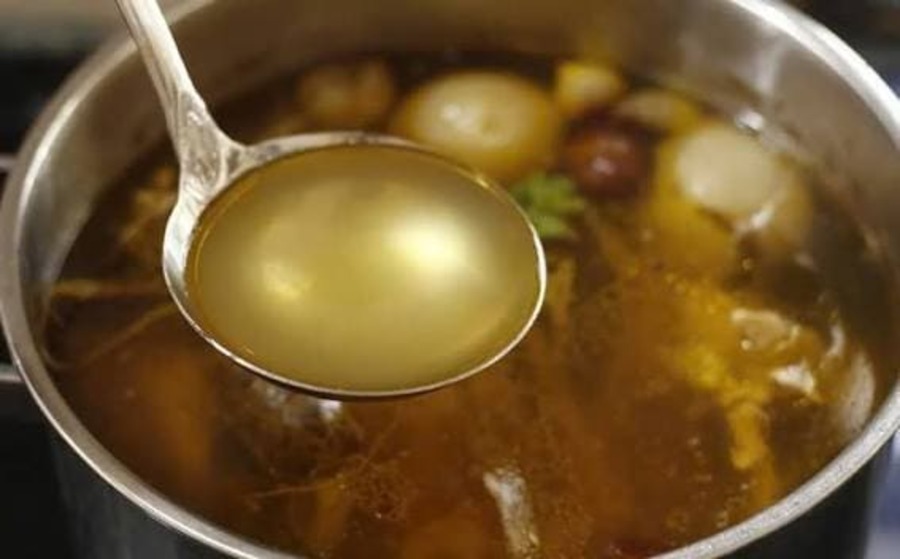
Remove the bones. Pour the broth through a fine-mesh strainer lined with cheesecloth into a clean pot. Skim off excess fat with a ladle, or chill the broth and lift off the solidified fat. Keep the broth at a steady, near-simmering heat for serving.
Pro tip: For extra-clear broth, let the finished stock settle for 15 minutes before straining, and ladle from the top rather than pouring from the bottom of the pot, where sediment collects.
How Do I Make Pho Taste Authentic? Flavor Balance and Technique
Many home cooks follow a recipe exactly and still feel their pho is missing something. These are the factors that matter most.
Use the right bones
Collagen-rich knuckle and joint bones create body and a silky mouthfeel. Marrow bones add richness. Oxtail adds sweet, beefy depth. A broth made only from lean meat or a single type of bone will taste thin.
Respect the clarity rule
Clear broth is a hallmark of good pho. Four habits keep it clear: parboil the bones, never boil hard after the start, skim consistently, and strain carefully.
Balance the five tastes
Authentic pho balances salty (fish sauce), sweet (rock sugar and charred onion), savory (bones and beef), aromatic (spices), and fresh (herbs and lime at the table). If your broth tastes flat, it usually needs a little more fish sauce or salt. If it tastes harsh, a touch more sugar can round it out.
Choose a good fish sauce
Fish sauce quality matters enormously. Look for brands with a short ingredient list, ideally just anchovies, salt, and perhaps sugar, and avoid adding extra water or additives. Add fish sauce late in cooking so that its aroma does not cook off entirely.
Do not over-spice
Star anise and cloves are powerful. Too much makes the broth taste like potpourri. The goal is that you notice the spices as a warm background note rather than as the first thing you taste.
Serve the broth very hot
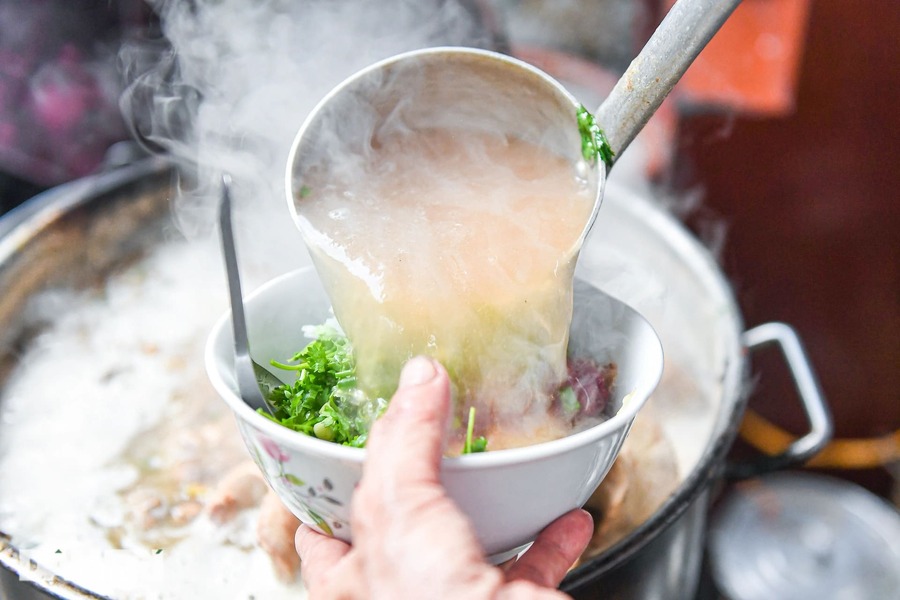
Pho broth must be piping hot when it hits the bowl. The heat cooks the thin slices of raw beef, wilts the herbs slightly, and warms the noodles. Lukewarm broth ruins the dish.
How Long to Cook Pho Noodles
Overcooked noodles are mushy and clump together, and undercooked noodles are chalky. Getting the timing right matters as much as the broth.
Quick answer: Dried rice noodles for pho usually take 3 to 5 minutes in boiling water, or about 20 to 30 minutes soaked in warm water followed by a quick 30-second to 1-minute blanch. Fresh rice noodles need only 10 to 30 seconds. Always check the package, since brands vary.
Dried pho noodles
Dried bánh phở comes in different widths. Small (about 1/16 inch or 2 mm) is most common for pho. Medium and large widths are used in other noodle dishes.
Method 1: Boil
- Bring a large pot of water to a rolling boil.
- Add the noodles and stir to separate them.
- Cook for 3 to 5 minutes, testing frequently. They should be tender but still slightly chewy (al dente).
- Drain and rinse briefly under cold water to stop the cooking and remove excess starch.
Method 2: Soak and blanch (recommended for the best texture)
- Soak the noodles in warm (not boiling) tap water for 20 to 30 minutes, until pliable and opaque white.
- Drain.
- Just before serving, drop the noodles into boiling water for 30 to 60 seconds, then drain well.
Fresh pho noodles
Fresh rice noodles are soft and only need to be loosened and warmed. Separate the strands by hand, then dip them in boiling water for 10 to 30 seconds. If they come straight from the refrigerator and are stiff, a gentle microwave of 20 to 30 seconds first can help loosen them.
Tips for perfect noodles
- Cook them separately from the broth. Cooking noodles in the broth releases starch and clouds it.
- Undercook slightly. The hot broth keeps softening them in the bowl.
- Use a noodle strainer or spider basket to blanch single portions right before serving.
- Do not rinse fresh noodles unless the package says to.
- Add noodles to the bowl immediately after draining so they do not stick together.
How to Make Pho Soup: Assembling the Perfect Bowl
When the broth, meat, and noodles are ready, serving pho is fast. The key is speed and heat.
Step-by-step assembly
- Warm the bowls. Fill each bowl with hot water for a minute, then empty it. This keeps the soup hot longer.
- Add noodles. Place a generous portion of cooked noodles in each bowl.
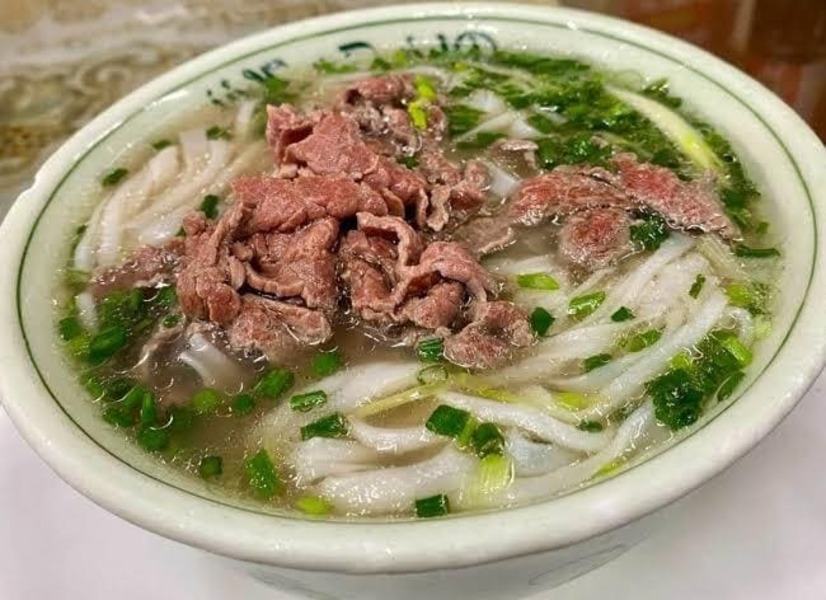
- Add the meat. Top with sliced cooked brisket. For phở tái (rare beef), lay paper-thin slices of raw sirloin or eye of round over the noodles.
- Add raw aromatics. Scatter thinly sliced onion, green onion, and cilantro on top.
- Ladle boiling broth over everything. The broth should be at a full simmer or just under a boil. Pour enough to cover the noodles. The hot liquid cooks the raw beef in under a minute.
- Serve immediately with a plate of garnishes on the side.
The garnish plate
Offer a platter of fresh bean sprouts, Thai basil, culantro, lime wedges, and sliced chilies. Diners tear the herbs, squeeze in lime, and add bean sprouts to taste. Hoisin and sriracha are usually served in small side dishes for dipping the meat, and many Vietnamese cooks add little or none to the broth itself so as not to cover its flavor.
Common beef cuts used in pho
| Name | Vietnamese | Description |
|---|---|---|
| Rare beef | Tái | Thin raw slices cooked by the hot broth |
| Well-done brisket | Chín | Slow-simmered, sliced brisket |
| Flank | Nạm | Tender, slightly fatty, and flavorful |
| Fatty brisket | Gầu | Rich, soft, and gelatinous |
| Tendon | Gân | Chewy and gelatinous |
| Tripe | Sách | Textured and mild |
| Meatballs | Bò viên | Springy beef balls |
Many pho shops order a combination bowl (phở đặc biệt) that includes several of these cuts.
How Do You Make Vietnamese Pho: Northern vs. Southern Style
When asking how to make Vietnamese pho, it helps to know there are two main regional styles. Both use the same foundation, but they differ in presentation and flavor.
Northern (Hanoi) style
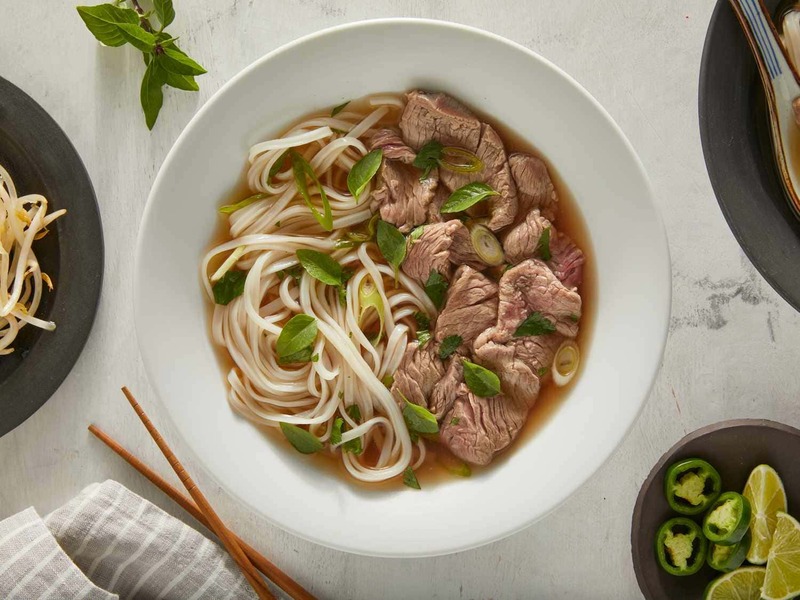
- Broth is clearer and more refined, with a focus on beef flavor and subtle spice.
- Toppings are simple: noodles, meat, green onion, and sometimes a little black pepper and pickled garlic vinegar.
- Wider noodles are common.
- Hoisin and sriracha are rarely served.
Southern (Saigon) style
- Broth is slightly sweeter, with more pronounced spices.
- Served with a large plate of fresh herbs, bean sprouts, lime, and chilies.
- Hoisin sauce and chili sauce are common at the table.
- Noodles are often thinner.
Neither style is better. If you are new to making pho at home, a Southern-leaning approach with a big garnish plate is more forgiving and more customizable, since each diner builds their own bowl.
How to Make Homemade Pho Faster: Instant Pot, Pressure Cooker, and Slow Cooker
Traditional pho takes hours, but there are ways to shorten the process while keeping good flavor. Here is how to make homemade pho when you are short on time.
Instant Pot or pressure cooker pho
- Parboil and rinse the bones as usual.
- Char the onion and ginger and toast the spices.
- Place bones, brisket, aromatics, spice bag, and about 3 quarts (3 liters) of water in the pot. Do not fill beyond the max fill line.
- Cook on high pressure for 45 to 60 minutes, then allow a natural pressure release for at least 15 minutes.
- Remove the meat, season the broth with fish sauce, rock sugar, and salt, and strain.
A pressure cooker extracts collagen quickly, and the broth is surprisingly rich. It is a bit less delicate than a slow-simmered broth, but excellent for a weeknight.
Slow cooker pho
- Prepare the bones and aromatics as above (do not skip the parboil and charring).
- Add everything to the slow cooker with enough water to cover.
- Cook on low for 10 to 12 hours or on high for 6 to 8 hours.
- Season and strain at the end.
Chicken pho (phở gà)
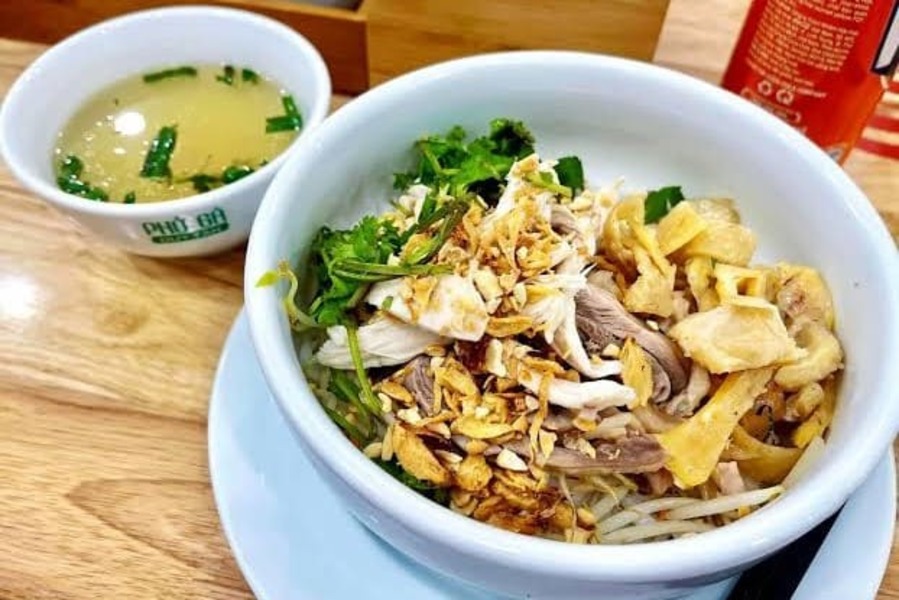
Chicken pho is lighter, faster, and a good choice for beginners.
- Use a whole chicken (3 to 4 pounds) or a mix of bone-in chicken thighs and backs.
- Parboil briefly, rinse, and add to the pot with charred onion and ginger.
- Use fewer spices (star anise, cinnamon, cloves, and coriander are enough).
- Simmer gently for 1.5 to 2 hours, removing the chicken when just cooked through (about 45 to 60 minutes for a whole bird), plunging it into cold water, then returning the bones to the pot to continue simmering.
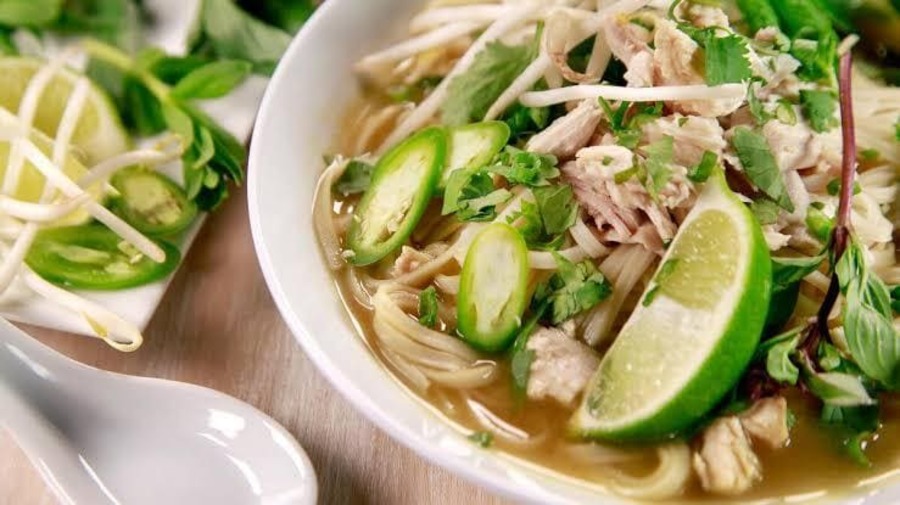
- Shred or slice the chicken and serve with lime, cilantro, Vietnamese coriander (rau răm), and thinly sliced onion.
Vegetarian pho
A vegetarian broth can use charred onion and ginger, daikon, carrot, dried shiitake mushrooms, and the same toasted spices, simmered for about 1.5 to 2 hours. Season with soy sauce or a vegetarian “fish” sauce. It will not have the same body as a bone-based broth, but it is aromatic and satisfying.
Common Mistakes When Making Pho (and How to Fix Them)
1. The broth is cloudy.
Usually caused by skipping the parboil or boiling the broth too hard. Next time, parboil thoroughly and keep the heat low. To rescue a cloudy batch, strain through fine cheesecloth and clarify gently.
2. The broth tastes bland.
Add more fish sauce and salt in small amounts. Check whether you used enough bones. If the flavor is still thin, simmer longer to concentrate it.
3. The broth tastes bitter or medicinal.
Too much clove or star anise, burnt spices, or leaving the spice bag in too long. Remove spices after about 1 to 2 hours total contact time.
4. The broth tastes too sweet.
Reduce rock sugar next time. Start with less, since you can add more but not remove it.
5. The noodles are mushy or clumped.
Overcooking or letting them sit after draining. Undercook slightly and assemble immediately.
6. The beef is tough.
The raw slices were too thick, or the broth was not hot enough. Slice against the grain, as thinly as you can (partially freezing the meat for 30 minutes helps), and ensure the broth is boiling when poured.
7. The soup tastes greasy.
Skim fat during cooking, or chill the broth and remove the hardened fat layer before reheating.
How to Store, Freeze, and Reheat Pho
Pho is an excellent make-ahead meal, since the broth often tastes better the next day.
- Refrigerator: Cool the broth quickly and refrigerate in airtight containers for up to 4 days.
- Freezer: Freeze broth in portions for up to 3 months. Leave an inch of headspace for expansion.
- Meat: Store sliced brisket separately in the refrigerator for up to 3 days.
- Noodles: Always cook noodles fresh. Cooked noodles do not store well and turn gummy.
- Reheating: Bring the broth to a full boil before serving. For food safety, reheat leftover broth to at least 165°F (74°C).
For food safety, do not leave broth at room temperature for more than 2 hours. Large pots cool slowly, so divide the broth into smaller containers or set the pot in an ice bath before refrigerating.
Tips From Vietnamese Home Cooks
These practical habits are widely shared by experienced pho cooks:
- Make the broth a day ahead. Chilling lets you remove fat easily and lets flavors mellow.
- Freeze the beef for easy slicing. Thirty to forty-five minutes in the freezer firms it enough for paper-thin cuts.
- Taste as you go. Fish sauce brands and bone types vary, so seasoning should be adjusted rather than followed blindly.
- Adjust the spices to your taste. If you prefer a lighter spice profile, reduce the clove and star anise by one-third.
- Prepare all garnishes before serving. Pho is best eaten immediately while piping hot.
- Use rock sugar. It gives a rounder, cleaner sweetness than white sugar.
Frequently Asked Questions About Making Pho
How do you make pho broth taste like a restaurant?
Use a mix of bones (knuckle, marrow, oxtail), parboil them, char the onion and ginger, toast whole spices, simmer gently for at least 6 hours, and season with fish sauce and rock sugar. Restaurants also keep large pots going all day, which concentrates flavor.
How long does it take to make pho?
Traditional beef pho takes 6 to 8 hours of simmering, plus about 30 minutes of prep. A pressure cooker cuts this to about 1.5 hours total. Chicken pho takes around 2 hours.
What is the best cut of meat for pho?
For slow-simmered meat, brisket, chuck, and shank work well. For rare slices cooked in the bowl, use sirloin, eye of round, or flank sliced very thin.
Can I make pho without bones?
You can approximate it with bone broth or store-bought beef stock, but the body and flavor will be lighter. Adding oxtail or a few pounds of bone-in beef shank helps. Homemade broth is still strongly recommended for the best result.
What are the key spices in pho?
Star anise, cinnamon, cloves, coriander seeds, fennel seeds, and often black cardamom. Charred ginger and onion are also essential aromatics.
Is pho healthy?
Pho can be a balanced meal, providing protein from the meat, carbohydrates from the noodles, and vegetables and herbs from the garnishes. Sodium can be high, mainly from fish sauce and salt, so season gradually if you are watching your intake. Nutritional content varies by recipe and portion, so consult a registered dietitian if you have specific dietary needs.
Can I use spaghetti or other noodles instead of rice noodles?
Wheat noodles will change the character of the dish. Flat rice noodles are traditional and also naturally gluten-free. If you cannot find bánh phở, other flat dried rice noodles (such as those used in pad Thai) are the closest substitute.
How do I keep pho noodles from sticking?
Rinse cooked noodles briefly under cold water, drain well, and assemble the bowls right away. For batches, toss noodles with a very small amount of neutral oil, though this is optional.
Is pho gluten-free?
Pho is usually gluten-free when made with rice noodles, but check your fish sauce, hoisin, and any pre-made spice packet labels, since some contain wheat. Ask about ingredients when eating at restaurants.
Final Thoughts: Your First Bowl of Homemade Pho
Learning how to make pho is less about complicated technique and more about patience and attention. Clean your bones, char your aromatics, toast your spices, keep the simmer gentle, and season with care. Cook the noodles just before serving, pour on piping-hot broth, and let everyone customize their bowl with fresh herbs and lime.
Your first batch may not match your favorite restaurant, and that is normal. Each time you make it, you will learn how your pot, your stove, and your palate work together. Before long, you will have a pho recipe that is truly your own.
Quick recipe recap:
- Parboil bones, then rinse.
- Char onion and ginger; toast spices.
- Simmer 6 to 8 hours (or 45 to 60 minutes in a pressure cooker).
- Season with fish sauce, rock sugar, and salt; strain.
- Cook noodles separately (3 to 5 minutes dried, 10 to 30 seconds fresh).
- Assemble with meat and herbs; ladle boiling broth over the top.
