

Hoa Lu Ancient Capital stands as one of Vietnam’s most important historical and cultural landmarks. Located in Ninh Binh Province, it served as the first capital of independent Vietnam from 968 to 1010 AD. Today, visitors come to Hoa Lu Ancient Capital to explore ancient Hoa Lu Temple complexes, walk through the remnants of Hoa Lu Ancient Citadel, and immerse themselves in the serene beauty of Hoa Lu Ancient Town surrounded by dramatic limestone karsts.
This comprehensive guide provides everything you need to know before visiting. From the deep history of Hoa Lu Ancient Capital to its top attractions, practical travel tips, and exciting things to do, you will be fully prepared for a meaningful journey into Vietnam’s early dynastic era.
History of Hoa Lu Ancient Capital – The Cradle of Vietnamese Independence
Hoa Lu Ancient Capital, also known as Hoa Lu Ancient Citadel, served as the capital of Đại Cồ Việt from 968 to 1010 AD. It was chosen by King Dinh Bo Linh (Dinh Tien Hoang) as the political center after Vietnam gained independence from over a thousand years of Chinese rule.
The strategic location surrounded by limestone mountains made Hoa Lu Ancient Capital easy to defend while controlling the Red River Delta. After Dinh Tien Hoang, the capital continued under the Early Le Dynasty (King Le Dai Hanh) until 1009. In 1010, King Ly Thai To moved the capital to Thang Long (present-day Hanoi), turning Hoa Lu into an “ancient capital.”
Although most of the original palaces and citadel walls have disappeared over time, the remaining Hoa Lu Temple sites and relics still preserve the spirit of Vietnam’s earliest independent dynasties. Today, Hoa Lu Ancient Town stands as a living museum where visitors in Vietnam tours can learn about the nation’s formative years.

Key Historical Facts:
-
Founded in 968 by Dinh Tien Hoang
-
Capital of Đại Cồ Việt for over 40 years across three dynasties (Dinh, Early Le, and early Ly)
-
Became Hoa Lu Ancient Citadel after the capital moved to Hanoi
-
Recognized as a special national relic site
Understanding the history of Hoa Lu Ancient Capital helps visitors appreciate the deep cultural and spiritual significance of the temples and landscapes they see today.
Top Highlights and Things to Do in Hoa Lu Ancient Capital
Hoa Lu Ancient Capital offers far more than just temples. The site blends historical architecture, spiritual sites, and stunning natural scenery. Below is an expanded section with detailed insights into the must-see spots and memorable activities.
Exploring the Iconic Hoa Lu Temple Complexes
The heart of any visit to Hoa Lu Ancient Capital lies in its ancient temples dedicated to the founding kings.
Temple of King Dinh Tien Hoang – The Most Important Hoa Lu Temple
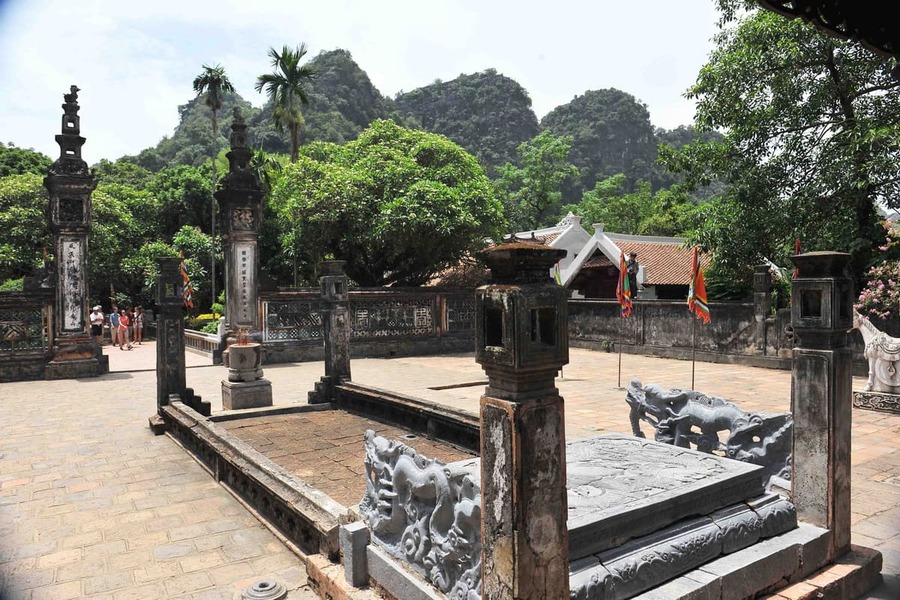
The Temple of King Dinh Tien Hoang is the centerpiece of Hoa Lu Ancient Capital. Built on the site of the former royal palace and reconstructed in the 17th century, this Hoa Lu Temple showcases exquisite traditional Vietnamese architecture using wood and stone.
The complex is divided into three main sections: the outer Ngo Mon Gate, the middle Thien Huong House, and the inner sanctum where the statue of Dinh Tien Hoang is enshrined. Intricate carvings of dragons, lotuses, and historical motifs adorn the beams and columns, reflecting the artistic mastery of Vietnamese artisans across centuries.
From the temple grounds, a steep path leads up Ma Yen Mountain to the royal tomb of Dinh Tien Hoang. The climb offers rewarding panoramic views over Hoa Lu Ancient Town, with rice fields stretching toward distant karst formations. Many visitors describe the atmosphere here as profoundly peaceful, making it an ideal spot for reflection.
Temple of King Le Dai Hanh
Located just a short distance away, the Temple of King Le Dai Hanh honors the second major ruler of the ancient capital. Though slightly smaller than Dinh’s temple, it maintains the same elegant architectural style with three interconnected halls.

Inside, you will find statues and reliefs depicting King Le Dai Hanh, Queen Duong Van Nga (who was married to both kings), and their sons. The front courtyard features a large altar and a massive drum used in traditional ceremonies. The surrounding gardens and small lake add a serene touch, creating a calm environment perfect for learning about the king’s contributions to national unity and defense.
These two Hoa Lu Temple sites together provide a powerful window into the early dynastic period and the respect Vietnamese people still hold for their founding leaders.
Spiritual Sites: Nhat Tru Pagoda and the Four Sacred Temples
Nhat Tru Pagoda (One Pillar Pagoda)
Nhat Tru Pagoda, often called the One Pillar Pagoda of Hoa Lu, is a unique spiritual landmark within Hoa Lu Ancient Citadel. Originally constructed in the 10th century during the Dinh Dynasty, legend says it was built after King Le Dai Hanh received a divine vision from the Buddha.
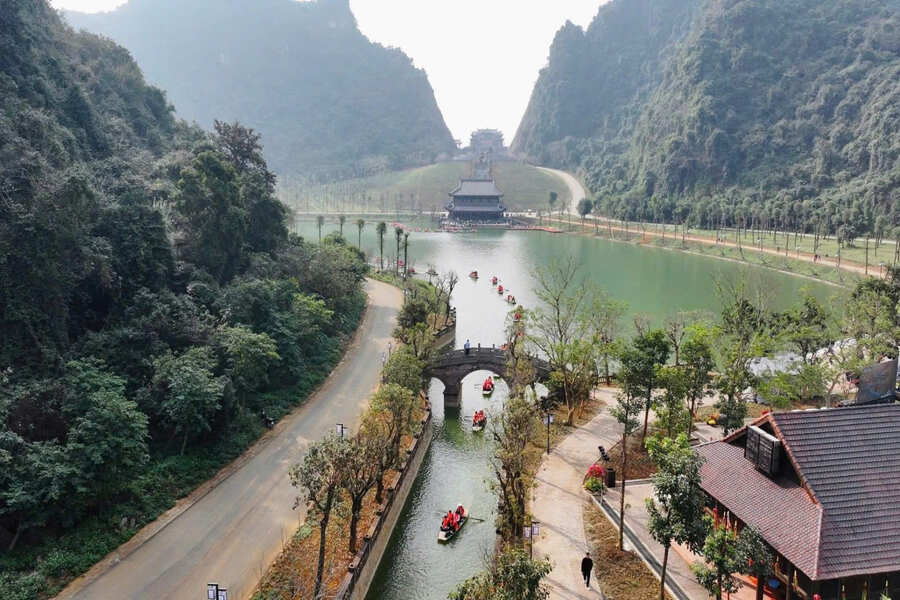
The pagoda features distinctive architecture with a minimalist yet striking design, supported in a way that evokes a sense of floating elegance. Delicate carvings of dragons, swords, and lotus flowers from the Le and Nguyen dynasties decorate the wooden structures. The site houses ancient Buddhist relics and maintains a deeply contemplative atmosphere.
Visitors often spend time here meditating or simply absorbing the quiet energy. Nhat Tru Pagoda represents not only religious devotion but also the close connection between spiritual life and political power in ancient Vietnam.
The Four Sacred Temples of Hoa Lu (Tu Tran)
Hoa Lu Ancient Capital is protected spiritually by the Four Sacred Temples, each dedicated to a guardian deity of one cardinal direction:
-
Nguyen Temple (North) – known for its elegant and peaceful design
-
Quy Minh Temple (South) – blending rustic charm with nature
-
Cao Son Temple (West) – perched on a hill with beautiful panoramic views
-
Thien Ton Temple (East) – a hidden oasis offering tranquility

These temples are still actively used by locals for prayer and incense offerings. Exploring them allows you to experience living Vietnamese folk beliefs and the deep spiritual layer of Hoa Lu Ancient Town. It is highly recommended to bring incense as a sign of respect and visit during early morning or late afternoon when the light is soft and the crowds are thinner.
Nearby Natural Wonders and Adventures
Hoa Lu Ancient Capital sits in a region famous for its dramatic limestone landscape, so combining historical sites with nature is highly rewarding.
Am Tien Cave (Tuyet Tinh Coc – The Hidden Valley)
Am Tien Cave, also known as Tuyet Tinh Coc or “Love Lock Valley,” lies just outside the main temple area. Historically, this secluded valley served as a royal retreat and later a place of punishment during the Dinh Dynasty. In the Ly period, it became a spiritual site with a cave temple.

Today, the highlight is the emerald-green Ao Giai Lake, whose crystal-clear waters perfectly reflect the surrounding limestone cliffs. The combination of mountains, lake, and ancient altars creates an enchanting, almost mystical atmosphere. Many couples visit to attach love locks, adding a romantic touch to this historic natural site.
Climb Mua Cave for Panoramic Views
For those seeking adventure, climbing Mua Cave (Hang Mua) is one of the most memorable experiences near Hoa Lu Ancient Capital. The ascent involves roughly 500 stone steps through lush greenery. Although challenging, the effort is rewarded with breathtaking 360-degree views of the Tam Coc valley, rice fields, and winding rivers below.
The summit features a small temple and excellent photo opportunities, especially at sunrise or sunset when the light paints the landscape in golden hues. This viewpoint perfectly showcases why Ninh Binh is often called “Halong Bay on land.”
Take a Boat Trip Through Tam Coc
A relaxing boat ride in Tam Coc is the perfect complement to your visit to Hoa Lu Ancient Capital. Often nicknamed “Halong Bay on land,” the route glides through three famous caves (Hang Ca, Hang Hai, and Hang Ba) amid towering karsts rising from emerald rice paddies.
Local rowers, frequently women wearing traditional conical hats, skillfully navigate the shallow waters. The experience is peaceful and scenic, offering a different perspective on the same dramatic landscape that once protected the ancient capital.

Cultural Immersion: Festivals and Local Cuisine
Participate in Hoa Lu’s Annual Festivals
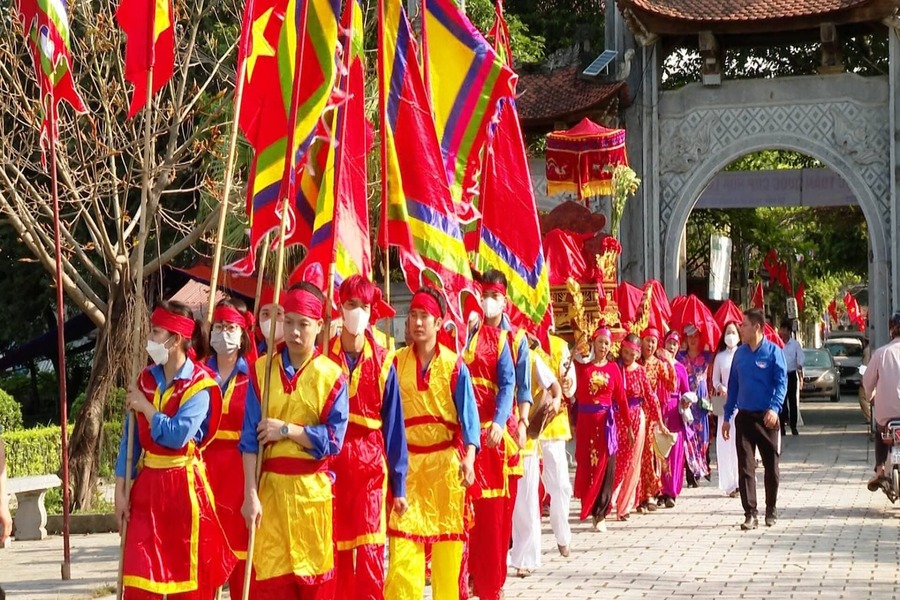
The Truong Yen Festival (or Hoa Lu Festival), held in the third lunar month (usually April), is a vibrant celebration honoring Kings Dinh Tien Hoang and Le Dai Hanh. The event features traditional music, folk games, boat races, lion dances, and cultural performances.
Attending the festival transforms your visit into a living history lesson. Streets fill with locals in traditional attire, and the entire Hoa Lu Ancient Citadel comes alive with energy and pride. Timing your trip to coincide with the festival offers an unforgettable cultural experience.
Savor Authentic Local Cuisine
No trip to Hoa Lu, Ninh Binh is complete without trying regional specialties. Signature dishes include com chay (crispy burnt rice served with savory toppings), nem chua (fermented pork rolls eaten with fresh herbs), and various mountain herbs and river fish preparations.
You can find these at local eateries near the site or in nearby Hoa Lu Ancient Town. Visiting a traditional market adds another layer of authenticity, letting you see fresh ingredients and street food that reflect the area’s culinary heritage.
Best Time to Visit Hoa Lu Ancient Capital
The ideal time to visit Hoa Lu Ancient Capital is from February to April, during the spring season after Lunar New Year. The weather is mild, flowers bloom, and traditional festivals create a lively yet respectful atmosphere.
For a quieter experience with lush green rice fields, consider May to June. Avoid the hottest months (July–August) if possible, though the site remains open year-round. Morning visits are generally best for cooler temperatures and softer lighting for photography.
How to Get to Hoa Lu Ancient Capital in Ninh Binh
Hoa Lu Ancient Capital is conveniently located in Truong Yen Commune, Hoa Lu District, Ninh Binh Province, approximately 95–110 km south of Hanoi. The journey typically takes 1.5 to 2.5 hours depending on the mode of transportation and traffic conditions, making it an ideal day trip or part of a longer Ninh Binh itinerary.
Traveling from Hanoi to Hoa Lu Ancient Capital is straightforward, with several reliable options to suit different budgets, comfort levels, and group sizes. Whether you prefer flexibility, scenery, or affordability, you can easily reach this historic site.
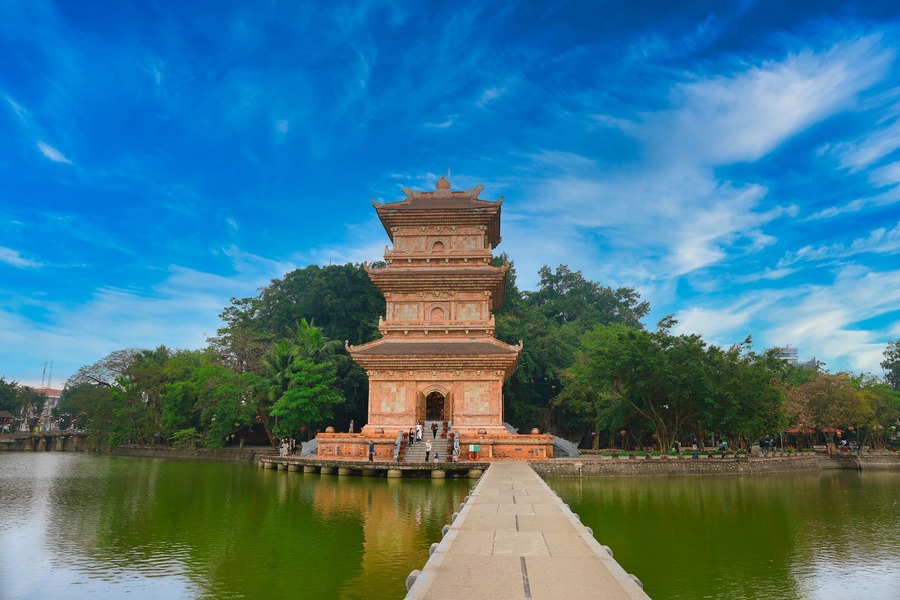
1. By Private Car, Taxi, or Motorbike (Most Recommended for Convenience)
This is the most flexible and comfortable way to reach Hoa Lu Ancient Capital, especially if you plan to combine it with nearby attractions like Tam Coc, Trang An, Mua Cave, or Am Tien Cave.
Take the Phap Van – Cau Gie Expressway (part of National Highway 1A) heading south from Hanoi. The road is well-maintained with clear signposts directing you toward Ninh Binh and then specifically to Hoa Lu Ancient Capital.
-
Travel time: About 1.5–2 hours under normal conditions.
-
Cost: A private car with driver for a full day typically ranges from 1,500,000 – 2,500,000 VND (depending on vehicle type and inclusions). Motorbike rental in Hanoi costs around 150,000–300,000 VND per day, but self-driving requires confidence on Vietnamese roads. Hiring a private car with an English-speaking driver is highly recommended for groups or families, as it allows you to set your own pace and avoid waiting for public transport.
2. By Bus or Limousine
Budget-friendly and frequent services make the bus a popular choice.
Depart from major Hanoi bus stations such as Giap Bat, My Dinh, or Nuoc Ngam. Look for buses heading to Ninh Binh city or direct services to Hoa Lu / Truong Yen. Reputable operators include Hieu Vien, Trang An Limousine, Cat Loi, and Minh Long.
-
Travel time: 1 hour 45 minutes to 2.5 hours.
-
Ticket price: 70,000 – 150,000 VND per person (limousine/van options are more comfortable and slightly more expensive). Buses run from early morning (around 5 AM) until late evening (11 PM), with departures every 30–60 minutes. Once you arrive at Ninh Binh bus station, take a short taxi or xe om (motorbike taxi) ride (about 15–20 minutes, 50,000–100,000 VND) directly to the entrance of Hoa Lu Ancient Capital.

3. By Train (Scenic and Relaxing Option)
The train offers a comfortable and picturesque journey through the Vietnamese countryside.
Depart from Hanoi Railway Station and get off at Ninh Binh Station. Popular trains include SE3, SE5, SE7, SE19, and others.
-
Travel time: Approximately 2–2.5 hours.
-
Ticket price: 90,000 – 230,000 VND one way, depending on seat type (hard seat, soft seat, or sleeper). From Ninh Binh Station, continue by taxi or rented motorbike to Hoa Lu Ancient Capital (15–25 minutes, around 80,000–150,000 VND). Booking tickets in advance via the Vietnam Railways app or Vexere is advised during peak seasons.
Additional Tip: If you want a hassle-free experience that includes multiple Ninh Binh attractions, consider joining a guided day tour from Hanoi. These tours usually handle transportation, entrance fees, and a local guide, saving you time and navigation stress.

Practical Information for Tourists Visiting Hoa Lu Ancient Capital
Address: Truong Yen Commune, Hoa Lu District, Ninh Binh Province, Vietnam. The site is nestled among limestone mountains and rice fields, creating a serene and historically rich atmosphere.
Entrance Fee:
-
Adults: 20,000 VND per person (approximately 0.8 USD).
-
Children (6–15 years old or over 1.2m tall): Often 10,000 VND.
-
Children under 6 years old or under 1.2m: Free. Some combined tickets for multiple relics in the area may apply, but the main Hoa Lu temple complex remains very affordable. These fees help support the preservation of this special national heritage site.
Opening Hours:
The historical site is open daily from 7:00 AM to 5:00 PM. In summer, some areas may open slightly earlier (around 6:00–6:30 AM) and close later, but it is safest to aim for the standard hours. The site is not open at night.
Suggested Duration:
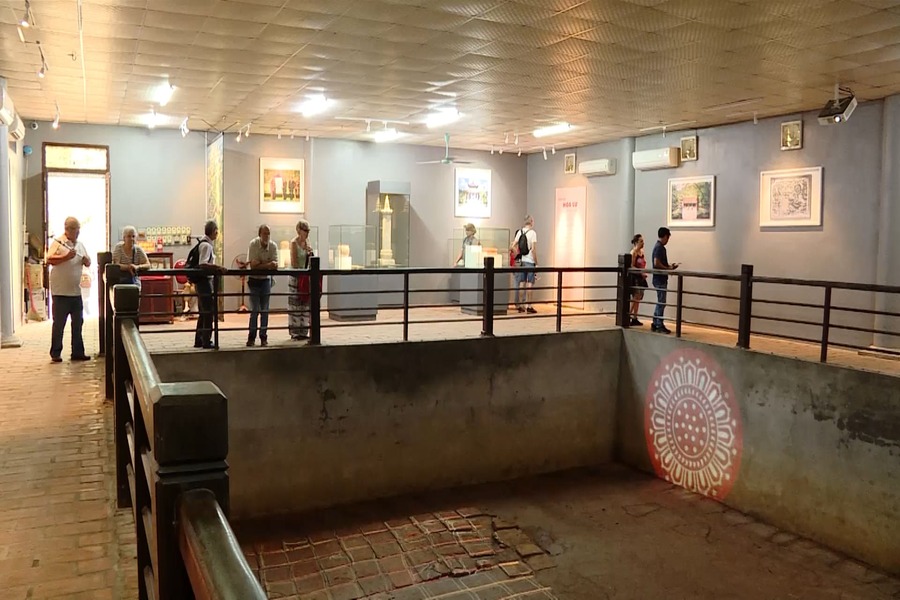
Plan to spend 2–4 hours exploring the main Hoa Lu Temple complexes (Temple of King Dinh Tien Hoang, Temple of King Le Dai Hanh, and Nhat Tru Pagoda). If you want to visit Am Tien Cave, climb toward the royal tomb on Ma Yen Mountain, or combine with nearby spots like Mua Cave or Tam Coc, allocate a full day.
Handy Travel Tips:
-
Wear comfortable walking shoes — there are some uneven paths and optional short climbs.
-
Bring a hat, sunscreen, sunglasses, and plenty of water, as the area can get hot and sunny with limited shade in certain sections.
-
Dress modestly when entering the temples (cover shoulders and knees). Many sites provide scarves or wraps if needed.
-
Cash is essential — bring small denominations for tickets, parking, snacks, or incense offerings.
-
Toilets are available near the entrance and behind some temple areas.
-
Consider hiring an audio guide (around 50,000 VND) or a local guide if you want deeper historical context, as English signage is limited.
-
Avoid peak midday heat (11 AM–2 PM) if possible, and visit early morning or late afternoon for better lighting and fewer crowds.
-
Be cautious of unofficial parking attendants near the entrance and stick to designated areas.
-
Respect the sacred spaces: speak quietly, avoid touching artifacts, and follow local customs when offering incense at the Hoa Lu Temple sites.
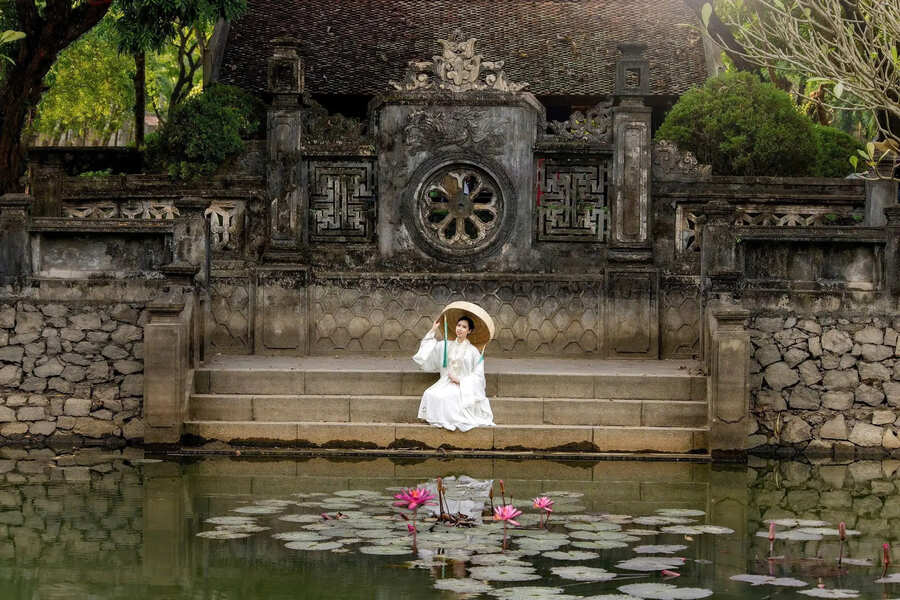
Hoa Lu Ancient Capital combines profound history with peaceful natural surroundings, making it a rewarding stop for anyone interested in Vietnam’s origins. With proper planning and respect for the site, your visit will be both informative and memorable.
These two sections are now much longer, more informative, and ready to slot directly into your full blog post. Let me know if you need further tweaks!
